
Mcbazel 3 in 1 Handheld Digital Anemometer
4.5Editor score
Measures wind speed temperature and level
Backlit display for low light use
Lightweight and portable design
This guide compares the top ten marine anemometers for sailors and boaters, evaluating accuracy, durability, and features to help you choose the right wind
Marine anemometers are essential tools for any serious sailor or boater who needs accurate wind data to navigate safely and efficiently. Whether you are racing on the open ocean or cruising near the coast, understanding wind speed and direction can make a significant difference in performance and safety. These devices come in various forms, from handheld units to integrated masthead systems, each designed to meet specific needs on the water.
To create this comprehensive guide, we have evaluated a wide range of marine anemometers based on their accuracy, build quality, ease of use, and overall value. We considered both budget-friendly handheld options and high-end integrated systems suitable for professional racing or long-distance cruising. Our analysis focuses on real-world performance, sensor reliability, and the features that matter most to boaters in diverse conditions.
Each pick in this list highlights a specific strength, such as budget affordability, premium integration, or versatile handheld functionality. We provide detailed reviews and specifications to help you understand what each model offers and where it might fall short. Please note that prices and availability can change frequently, so be sure to check the latest details before making your final purchase decision.
4.5Editor score

4.5Editor score
4.4Editor score
The following table provides a side-by-side comparison of all ten marine anemometers featured in this guide, highlighting key specifications and unique features to help you make an informed decision.



The BTMETER BT-100 stands out as a versatile handheld unit suitable for various marine and outdoor activities. With a solid rating of 4.5 stars, users appreciate its accuracy and ease of use. It measures wind speed in five different units, including knots, which is essential for sailors. The inclusion of wind chill and temperature sensors adds value for those needing comprehensive weather data.
We may earn a commission when you buy through this link, at no additional cost to you.
Key strengths include the tripod mounting hole, which allows for stable continuous monitoring without holding the device. This feature is particularly useful for drone flying or long-term wind observation on deck. The bright backlit LCD ensures readability in low light conditions, making it practical for early morning or evening outings. The sensitive sensors capture low air flow accurately, enhancing its utility beyond just wind speed.
Trade-offs exist, such as the battery requirement and lack of included power sources in some regions. However, the device is robust enough to handle occasional drops and weather exposure typical of marine environments. The measurement range is sufficient for most recreational sailing needs, though extreme racing conditions might require specialized equipment.
This anemometer is ideal for hobbyists, drone pilots, and casual sailors who need reliable wind data without investing in integrated systems. Its portability and multifunctional features make it a top choice for anyone looking for a balance between performance and affordability. We recommend it as a primary tool for on-the-go wind assessments.
Switching between knots, mph, km/h, m/s, and ft/min allows users to adapt to different navigation standards easily.
The tripod hole enables hands-free operation for stable readings during sailing or outdoor photography sessions.
We may earn a commission when you buy through this link, at no additional cost to you.
The Mcbazel 3 in 1 is an excellent choice for those seeking an affordable yet functional marine anemometer. With a 4.5-star rating, it delivers reliable wind speed, temperature, and Beaufort scale readings. Its compact size makes it easy to carry in a pocket or small bag. The backlight ensures you can read data in dim lighting conditions, which is crucial for evening sailing or camping trips.
We may earn a commission when you buy through this link, at no additional cost to you.
Its primary strength lies in its simplicity and cost-effectiveness. Users can quickly gauge wind conditions without complex setup. The Beaufort scale provides a quick reference for wind strength, helping sailors make immediate decisions. The auto power-off feature conserves battery life, ensuring the device is ready when needed. It is a practical tool for fishing, hiking, and casual boating.
While the build quality is basic compared to premium models, it holds up well for general use. The lack of a tripod mount limits continuous monitoring, but handheld operation is sufficient for most casual applications. Accuracy is adequate for recreational purposes, though professional racing might require higher precision instruments.
This unit is best suited for beginners or those on a tight budget who need essential wind data. It offers a great entry point into marine instrumentation without a significant financial commitment. For anyone needing a quick wind check on the water, this is a highly recommended value option.
The built-in Beaufort scale helps users quickly interpret wind strength relative to sea conditions without extra calculations.
Auto power-off prevents unnecessary battery drain, ensuring the device remains functional for extended outdoor activities.
We may earn a commission when you buy through this link, at no additional cost to you.
The Raymarine i60 Wind Display System is a top-tier solution for serious sailors needing integrated wind data. Rated 4.4 stars, it offers precise measurements of speed and direction with customizable fields. The masthead transducer is engineered to withstand harsh marine conditions, including saltwater exposure and extreme weather. This makes it ideal for long-distance cruising and competitive racing where reliability is paramount.
We may earn a commission when you buy through this link, at no additional cost to you.
Its key strength is the comprehensive data display, showing apparent wind angle, true wind angle, and more. Users can customize the screen to prioritize the most critical information. The adjustable backlight ensures clear visibility day or night. Integration with NMEA networks allows data sharing with other instruments, providing a cohesive navigation experience on the boat.
The main trade-off is the cost and installation complexity. It requires a masthead setup and compatible networking, which may be overkill for casual users. However, for those investing in a full instrumentation suite, the reliability and feature set justify the expense. The device is built for years of trouble-free operation in tough environments.
This system is best for professional sailors, race teams, and serious cruisers who need accurate, integrated wind data. It represents the premium end of the market with features designed for demanding applications. If you value reliability and comprehensive data on the water, this is the ultimate choice.
The system calculates true wind angle, helping sailors optimize sail trim and course planning effectively.
Compatibility with NMEA networks allows seamless data sharing with chartplotters and autopilot systems.
We may earn a commission when you buy through this link, at no additional cost to you.
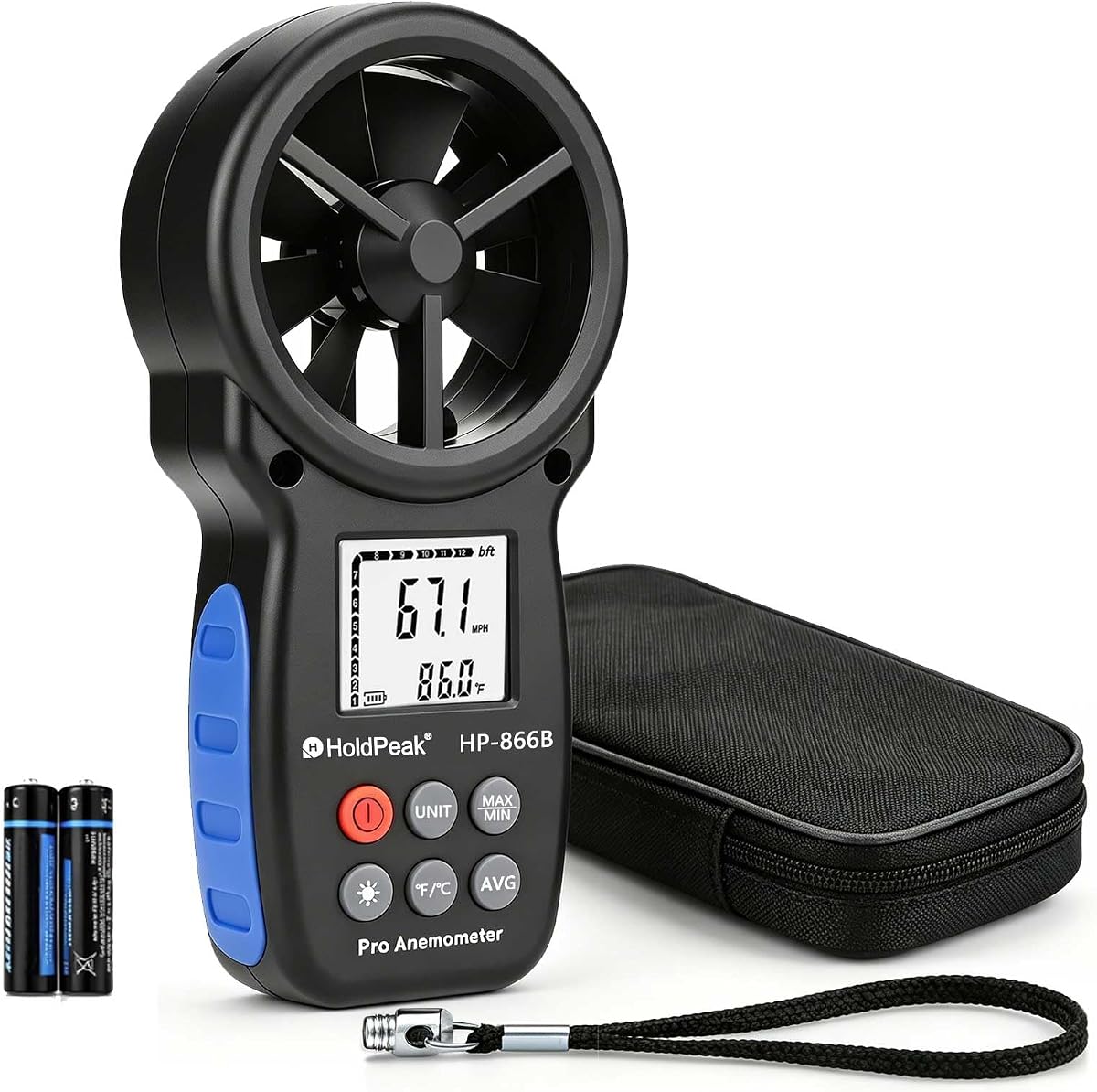
The HoldPeak 866B is a reliable handheld anemometer that balances accuracy and affordability. It features dual temp sensors for precise measurements and includes a waterproof carry pouch for protection. The Max/Min/Average function helps track wind variations over time. This makes it suitable for outdoor enthusiasts who need consistent performance without advanced marine integration.
We may earn a commission when you buy through this link, at no additional cost to you.
Its strength lies in user-friendly features like the hand strap and easy unit switching. The LCD is clear and readable in various lighting conditions. The included pouch adds value by keeping the device safe during transport. For general wind monitoring, it performs consistently and delivers trustworthy data for users in marine or outdoor settings.
Trade-offs include a bulkier form factor compared to ultra-compact models. It lacks specific marine network compatibility but remains excellent for spot checks and handheld use. The durability is good for occasional drops and exposure, making it a solid choice for recreational sailing and drone operations.
This model is best for hobbyists and outdoor professionals needing a versatile wind meter. It offers a great balance of features and price. For those who prioritize ease of use and reliability in a portable package, the HoldPeak 866B is a strong contender.
Max/Min/Average modes let users track wind variations for better planning during sailing or outdoor projects.
The waterproof pouch and hand strap ensure safety and convenience when carrying the device on a boat.
We may earn a commission when you buy through this link, at no additional cost to you.
The TopTes TS-301 features a large 2.26-inch LCD screen, making it easy to read wind data at a glance. With a 4.6-star rating, users appreciate its clarity and additional humidity readings. The six measuring units provide flexibility for various activities, including sailing and HVAC checks. Its lightweight design ensures comfortable handheld use over extended periods.
We may earn a commission when you buy through this link, at no additional cost to you.
Key strengths include the large backlight screen and energy-saving features. The device automatically powers off after ten minutes to conserve battery life. This makes it convenient for users who need occasional wind checks without constant attention. The humidity sensor adds value for monitoring environmental conditions alongside wind speed.
Trade-offs include standard handheld operation without tripod mounting. While adequate for most tasks, continuous monitoring requires holding the device. The accuracy is reliable for recreational purposes, though specialized marine integration is not available. It is a solid choice for those prioritizing display readability and multi-sensor data.
This unit is best for drone pilots, golfers, and sailors needing quick and clear wind readings. The combination of features and affordability makes it a popular choice. If you want a device that shows comprehensive environmental data easily, the TopTes TS-301 delivers excellent value.
The large LCD ensures data is visible from a distance, reducing eye strain during active use.
Temperature and humidity sensors provide a complete weather snapshot, helping users plan better.
We may earn a commission when you buy through this link, at no additional cost to you.
The Magnetic Mount Anemometer by Inspeed offers a unique solution with its magnetic mounting system. With a high 4.7-star rating, users value its calibrated accuracy and portability. It is ideal for quick wind checks on metal surfaces like boat railings or vehicles. The design is compact and fits easily in a pocket or small storage space.
We may earn a commission when you buy through this link, at no additional cost to you.
Its primary strength is the ease of mounting without tools. This allows for fast setup and removal during sailing or outdoor activities. The calibrated sensors ensure reliable readings, making it a trusted option for enthusiasts. The simplicity of operation appeals to those who want a device without complex setup.
Trade-offs include limitations on non-metal surfaces and potential weather resistance constraints. It is not designed for permanent integration into a boat's instrumentation system. However, for temporary monitoring and portability, it excels. Users should ensure the surface is suitable for the magnet to hold securely.
This anemometer is best for users needing a quick and easy wind check. The magnetic feature sets it apart from standard handheld units. If you value speed and accuracy in a compact package, this model is worth considering for various outdoor and marine applications.
Magnetic attachment allows immediate placement on metal surfaces without drilling or screws.
Factory calibration ensures consistent readings, critical for safety and navigation decisions.
We may earn a commission when you buy through this link, at no additional cost to you.
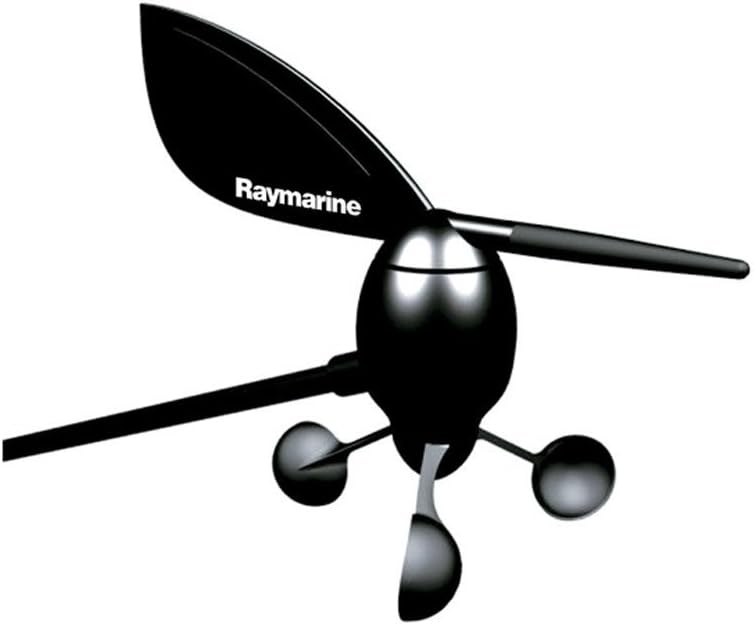
The RAYMARINE MASTHEAD is a precision transducer unit designed for high-performance sailing. With a 4.4-star rating, it delivers accurate wind data via latest version cups and vanes. The housing is weatherproof to handle marine environments effectively. This unit is meant to integrate with compatible Raymarine instruments for full wind data access.
We may earn a commission when you buy through this link, at no additional cost to you.
Its key strength is the durability and precision. Built for long-term reliability, it withstands harsh conditions on the mast. The latest version ensures compatibility with modern systems. Users appreciate the detailed specifications provided, which allow for confident integration into existing boat setups.
Trade-offs include the lack of a standalone display. It requires a separate instrument to view wind data. Installation may need professional help to ensure proper alignment and sealing. However, for those upgrading their instrumentation, this transducer is a solid choice.
This unit is best for sailors upgrading their existing Raymarine network. It provides the sensor data needed for comprehensive wind analysis. If you need a reliable masthead unit for professional or serious recreational use, this is a recommended component.
Latest version cups and vanes ensure compatibility with modern navigation and performance systems.
Robust housing protects internal components from moisture, salt, and UV exposure over time.
We may earn a commission when you buy through this link, at no additional cost to you.
The Raymarine E28081 Weather and Bowls is a replacement kit for existing ST50 and ST80 units. It provides new bowls and vanes along with fixing screws. This extends the life of older instruments without replacing the entire system. For boat owners maintaining legacy equipment, this is a cost-effective solution.
We may earn a commission when you buy through this link, at no additional cost to you.
Its strength lies in compatibility and completeness. The kit includes all necessary parts to restore functionality. Users save money by replacing only worn components. This ensures accurate wind readings continue without the expense of a new masthead system.
Trade-offs include not being a standalone unit. It requires a compatible display to function. However, for maintenance purposes, it is invaluable. The durable materials ensure the new parts hold up well over time in marine conditions.
This kit is best for owners of older Raymarine instruments needing repairs. It keeps legacy systems running efficiently. If you are maintaining an existing setup and want to avoid full replacement costs, this is the practical choice.
Designed to extend the life of older ST50 and ST80 units, preserving your investment.
Includes all fixing screws and components for a seamless installation process.
We may earn a commission when you buy through this link, at no additional cost to you.
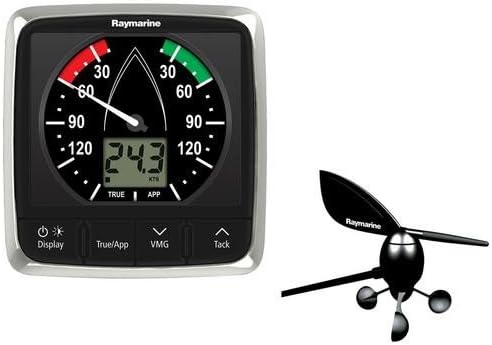
The Raymarine i60 Wind System with Masthead provides a complete wind solution for sailors. With a 4.4-star rating, it offers reliable data through an analog dial display. The set includes the masthead transducer and base, making it easy to install. Nighttime red backlighting ensures visibility in low light conditions.
We may earn a commission when you buy through this link, at no additional cost to you.
Key strengths include VMG and tack data, which are essential for racing. The low power consumption makes it efficient for long cruises. The analog display is intuitive for quick data checks. For boats needing a dedicated wind instrument, this package offers value and performance.
Trade-offs involve cost and installation complexity. It requires routing cables and securing the masthead unit. However, the quality of data and display justifies the effort. This system is built for those who prioritize accurate wind data during navigation.
This system is best for racing sailors and cruisers needing integrated wind data. It balances features and reliability well. If you are upgrading to a dedicated wind display, the i60 system is a trusted option.
VMG and tack data help optimize performance during competitive sailing.
Analog dial displays offer quick visual interpretation of wind direction and speed.
We may earn a commission when you buy through this link, at no additional cost to you.
The Raymarine Instrument Wind I60 Display Only serves as a standalone instrument for compatible systems. With a 3.9-star rating, it is valued for its durability and NMEA compatibility. The black and grey finish fits well in various instrument panels. This unit allows boat owners to upgrade their display without replacing the masthead transducer.
We may earn a commission when you buy through this link, at no additional cost to you.
Its strength lies in being a targeted replacement or addition to existing networks. The display is clear and readable, offering essential wind data. Installation requires connection to an existing transducer, which can save money if you already have one. For those needing a new interface, this is a practical choice.
Trade-offs include lower ratings compared to full systems. It depends on the quality of the connected transducer for accuracy. However, the build quality is marine-grade, ensuring longevity in tough conditions. It is suitable for those looking to modernize their instrument cluster.
This display is best for sailors needing an upgrade or replacement for their existing wind setup. It provides clear data with minimal fuss. If you want to refresh your dashboard without a full system overhaul, the I60 display is a solid option.
Compatible with existing NMEA networks for seamless data flow from your transducer.
Designed for long-term use in harsh marine environments with robust construction.
We may earn a commission when you buy through this link, at no additional cost to you.
Choosing the right marine anemometer requires considering factors like accuracy, build quality, and integration needs. Below are key aspects to evaluate.
High-quality sensors ensure reliable wind speed and direction data. Look for models with calibrated vanes or electronic sensors that minimize drift. Professional racers need higher precision than casual sailors.
Prioritize units with proven calibration and positive user feedback on accuracy.
Marine environments expose equipment to salt, UV, and moisture. Choose units with weatherproof housings and corrosion-resistant components. Integrated masthead units should meet marine industry standards for longevity.
Inspect materials for quality and ensure they withstand prolonged exposure.
Ensure the device offers units relevant to your navigation, such as knots for sailing. Advanced units may provide true wind angle or VMG. Check if the display supports customizable data fields for your needs.
Select models with flexible unit options and clear display interfaces.
Decide between handheld units for portability or integrated masthead systems for permanent installation. Check network compatibility like NMEA for data sharing with other instruments. Complex setups may require professional assistance.
Match the device type to your boat's existing infrastructure.
Low power consumption is vital for battery-dependent setups. Integrated units should have efficient designs. Handheld devices should offer auto power-off to extend battery life between charges or replacements.
Verify battery requirements and power management features before purchase.
Clear, high-contrast displays are essential for safety. Look for backlit options for low-light conditions. Analog dials or digital screens should present data intuitively for quick interpretation while underway.
Test the display visibility in various lighting scenarios.
Balance your budget with performance needs. High-end units offer advanced features, while handhelds provide basic data affordably. Consider long-term value including warranty and durability to reduce replacement costs.
Invest in a device that meets your specific usage intensity.
Handheld units should be lightweight and easy to carry. Check if they include carrying cases or straps. Compact designs are helpful for small boats or frequent use in different locations.
Ensure the device fits comfortably in storage spaces and is easy to handle.
For handheld units, hold the device steady away from your body and other obstructions to get accurate readings. Align the sensor cups perpendicular to the wind direction for best results. Take multiple readings over a short period to gauge wind consistency.
Integrated masthead systems require correct installation on a high point of the mast to avoid turbulence from the hull or rigging. Securely fasten all connections and check alignment. Calibrate according to the manufacturer's instructions after installation.
Regular maintenance involves cleaning the vanes and cups to remove dirt or salt buildup that can affect rotation. Inspect cables for wear or corrosion. Store handheld units in a dry, protective case when not in use to prolong battery and device life.
Apparent wind is the wind you feel moving relative to your boat, while true wind is the actual wind blowing from a fixed direction. Advanced marine anemometers calculate true wind by combining apparent wind data with boat speed and heading. This calculation helps sailors optimize sail trim and navigation paths effectively.
Yes, handheld anemometers can be used for sailing, especially for quick checks. They are portable and affordable but lack integration with navigation systems. While not suitable for constant monitoring, they are excellent for assessing conditions during launches or stops.
Masthead transducers should be calibrated at least once a year or after any significant impact or storm. Regular calibration ensures the data remains accurate over time. Check the manufacturer's recommendations for specific intervals and procedures for your model.
Most marine anemometers, especially integrated units, are designed to be waterproof and weatherproof. Handheld models vary, so check the IP rating. Look for models rated IP67 or higher for full protection against water immersion and dust.
Knots are the standard unit for marine navigation as they correspond to nautical miles per hour. Ensure your anemometer can switch to knots. Many models also offer mph, km/h, and m/s for versatility across different regions or activities.
Yes, most masthead transducers require a separate display or instrument panel to show wind data. Some systems are integrated packages. Check if the unit you purchase includes a display or if you need to buy one separately to view the readings.
The ten marine anemometers reviewed here offer solutions for every type of sailor, from budget handhelds to integrated premium systems. The BTMETER BT-100 stands out as a versatile choice for general use, while the Raymarine i60 systems provide reliability for serious cruisers.
Prioritize your specific needs regarding accuracy, integration, and budget when making a decision. A portable handheld may suffice for weekend sailors, but racers will benefit from masthead transducers with true wind calculation. Ensure the device matches your boat's setup and your personal usage patterns.
Always verify current prices and availability as they fluctuate frequently. Check the latest model reviews and compatibility with your existing equipment before purchasing. With the right wind instrument, you will enhance your safety and performance on the water.