
Canon EF 100-400mm f/4.5-5.6L IS USM Lens
4.0Editor score
Fluorite and UD Elements
Ring-Type USM Focus
Tripod Collar Included
This guide compares the top ten Camera Lens for Long Distance Wildlife to help you choose the best optics for capturing sharp images of animals in the wild.
Capturing wildlife from a safe distance requires specialized optics that can bridge the gap between you and your subject without compromising image quality or detail.
We evaluated ten leading options based on optical performance, stabilization technology, autofocus speed, and ergonomics to ensure reliable results in challenging outdoor conditions.
Each selection highlights specific strengths and limitations so you can match gear to your needs while noting that availability and pricing may fluctuate over time.
4.0Editor score
4.7Editor score

4.7Editor score
The following table provides a side-by-side overview of key specifications for each lens to help you compare focal ranges, mounting systems, and special features at a glance.



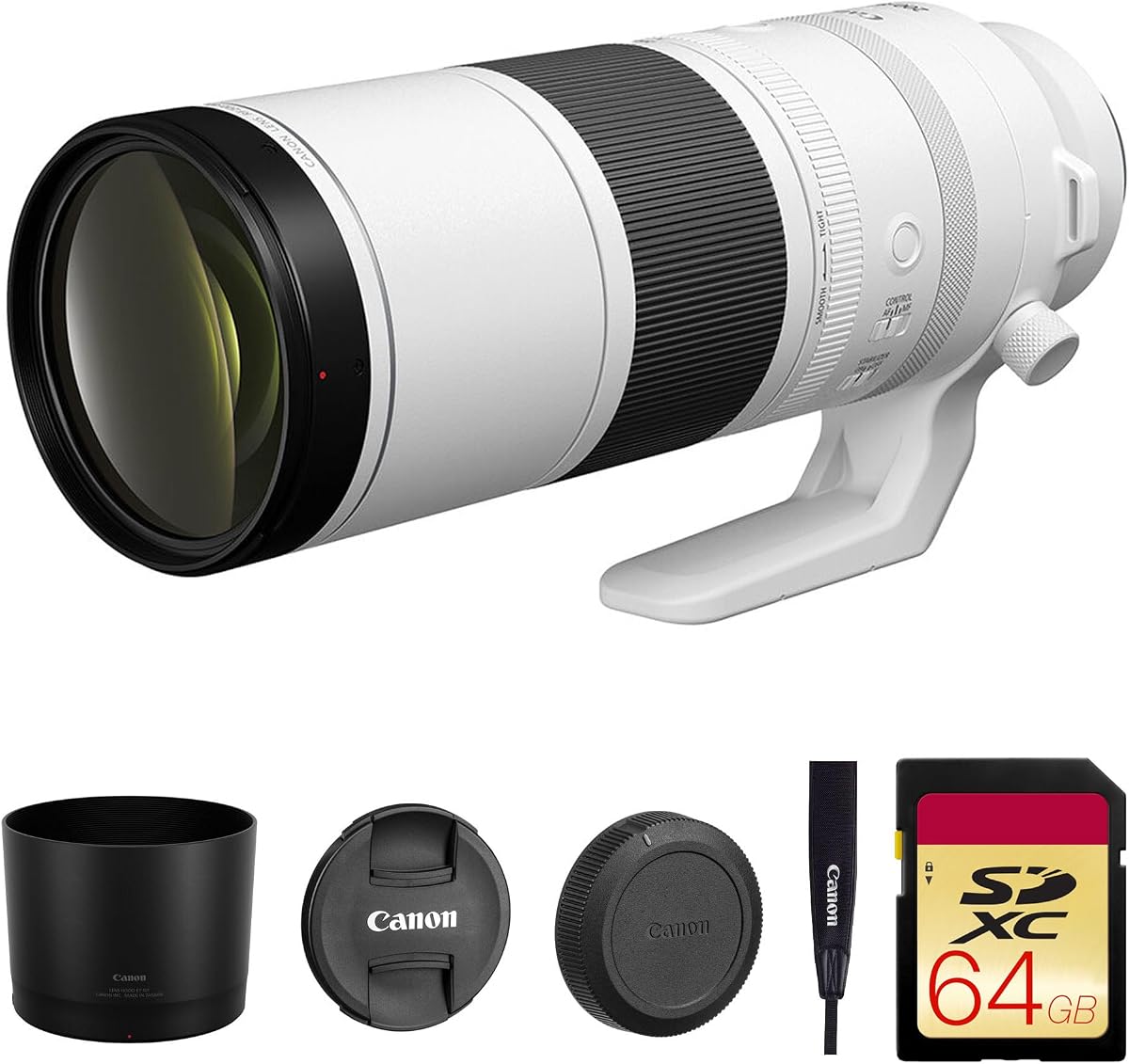
The Canon RF 200-800mm stands out as a top choice for wildlife photographers needing extreme reach without excessive bulk. It holds a strong 4.7 rating for its balance of zoom range and usability in the field.
We may earn a commission when you buy through this link, at no additional cost to you.
Its standout quality is the built-in image stabilization which allows handheld shooting even at 800mm. The fast USM autofocus ensures moving subjects stay sharp while the lens remains compact enough for travel.
The trade-off involves a slower maximum aperture which limits low light performance. However the optical quality and stabilization make this a reliable tool for outdoor nature photography in good light.
Buyers looking for the best all-around RF mount lens for wildlife will find this bundle delivers professional results. It is highly recommended for serious hobbyists and pros prioritizing versatility and sharpness.
The 800mm telephoto end allows you to photograph birds and distant animals without disturbing them in their natural habitat.
Built-in stabilization supports stable shots even when using a monopod or hand holding the lens in windy conditions.
We may earn a commission when you buy through this link, at no additional cost to you.
This RF lens offers the world's first AF super-telephoto zoom reaching 800mm for unmatched reach. It earns a 4.6 rating for delivering professional results in a portable package for mirrorless users.
We may earn a commission when you buy through this link, at no additional cost to you.
Its optimized optical design ensures clarity throughout the zoom range which is critical for detailed wildlife shots. The compact design facilitates comfortable handheld shooting during long field sessions.
While it pairs well with extenders for even more range the fixed aperture may limit use in dim forests or dawn shoots. Still its mobility makes it a favorite for active photographers.
Photographers with RF mount bodies seeking maximum zoom power without a tripod will appreciate this lens. It balances advanced optics with practical handling for nature and sports action.
The 200 to 800mm range covers most wildlife scenarios from close encounters to distant sightings effectively.
Weighing less than traditional super-telephoto lenses it enables you to hike further and track subjects longer.
We may earn a commission when you buy through this link, at no additional cost to you.
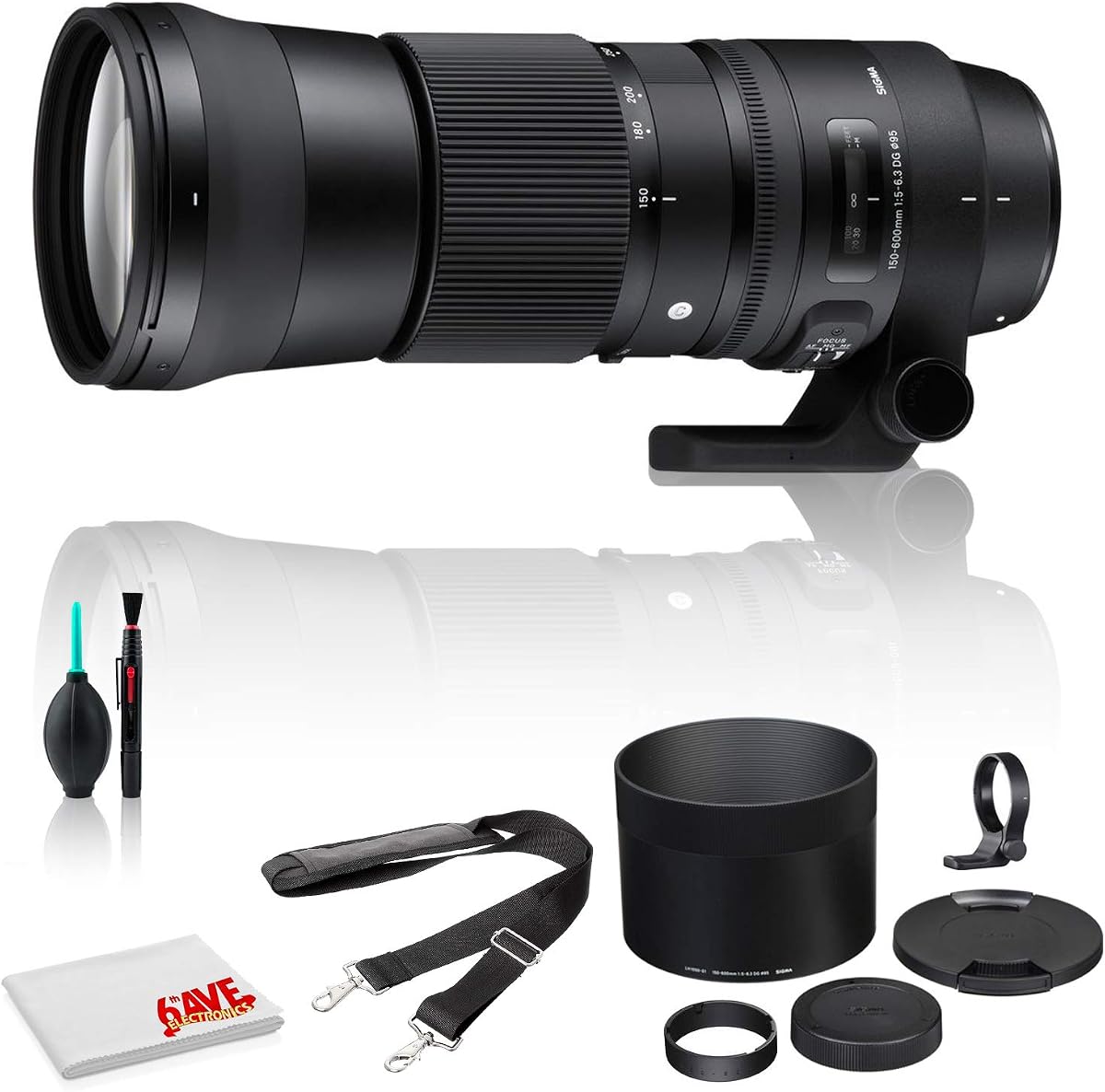
The Sigma 150-600mm Contemporary provides impressive range at a fraction of the cost of other super-telephoto lenses. With a 4.5 rating it is a solid choice for Canon DSLR users.
We may earn a commission when you buy through this link, at no additional cost to you.
Its Hyper Sonic Motor autofocus operates quietly and quickly ensuring you capture fleeting wildlife moments. The optical stabilizer helps maintain sharpness in various lighting conditions during outdoor excursions.
It is heavier than modern RF counterparts which may affect handheld use over long periods. However the optical quality and versatility make it a respected tool for birding and nature.
If you own a Canon DSLR and want extended reach without breaking the bank this lens is highly recommended. It delivers professional results suitable for both casual and semi-professional wildlife shooting.
Covering 150mm to 600mm this lens handles portraits and distant wildlife with equal ease and precision.
Optical stabilization allows for sharper shots at slower shutter speeds when using a tripod or monopod.
We may earn a commission when you buy through this link, at no additional cost to you.
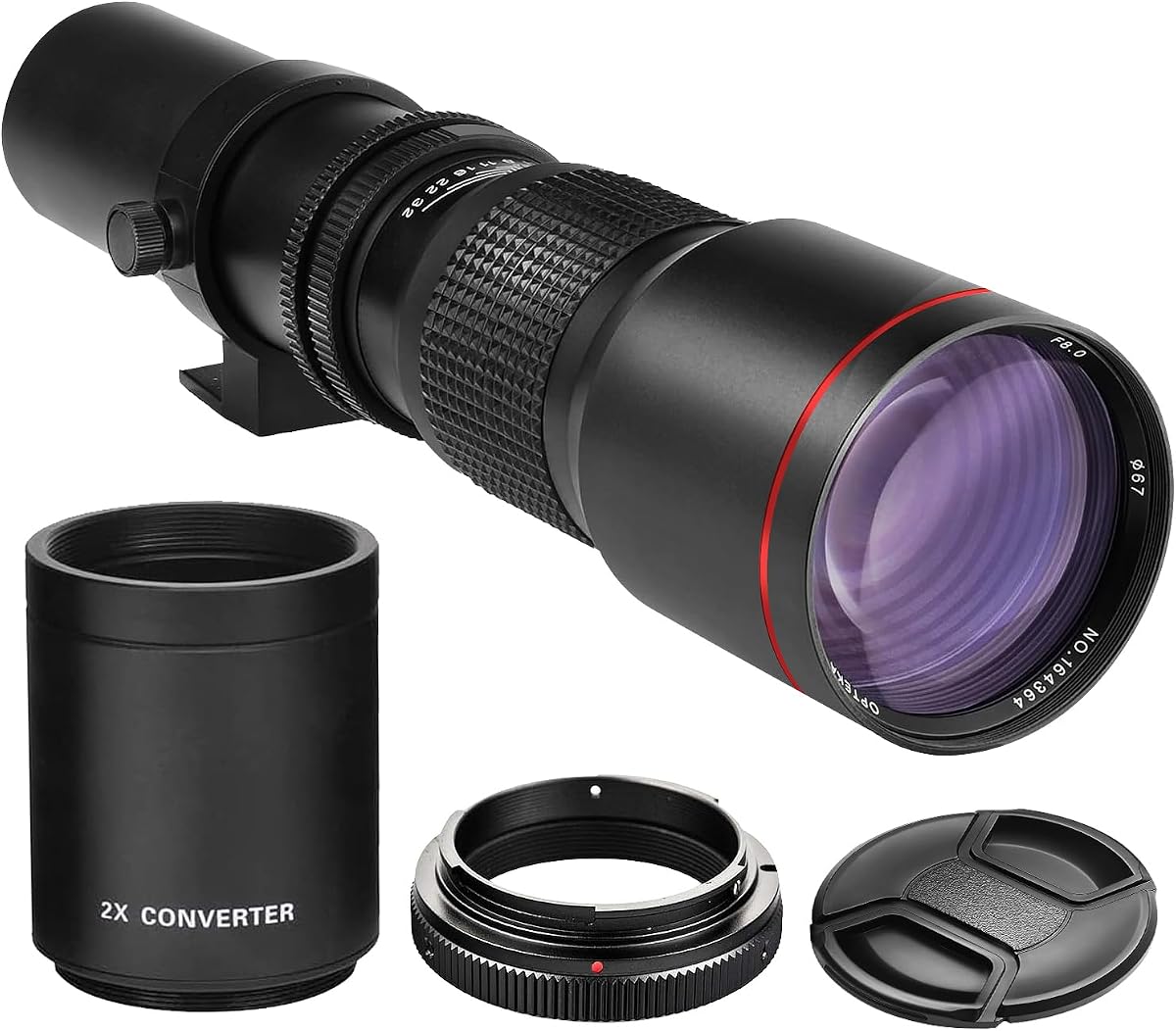
This manual lens provides access to 1000mm reach for a budget price. It holds a 4.0 rating as an entry-level option for those willing to manage focus manually for distant wildlife.
We may earn a commission when you buy through this link, at no additional cost to you.
The high index glass ensures clear images though the f/8 aperture requires bright light. Manual focus gives full creative control but demands patience and steady handling for sharp results.
Its 2X teleconverter doubles the power which is great for testing reach before investing in expensive gear. However image quality may fall short of high-end options in complex lighting.
Beginners or travelers needing a compact long lens might find this useful. It is best suited for sunny days and subjects that are relatively stationary during shooting sessions.
Manual focus lets you select exact focus points which is helpful when autofocus struggles with low contrast.
At a fraction of the cost of automatic lenses it makes 1000mm photography accessible to more photographers.
We may earn a commission when you buy through this link, at no additional cost to you.
The EF 100-400mm L series lens is a professional standard for DSLR users seeking top-tier optical quality. It carries a 4.0 rating for its robust construction and consistent performance across the zoom range.
We may earn a commission when you buy through this link, at no additional cost to you.
Built-in stabilization and fast autofocus ensure sharp shots of birds in flight. The included filter kit adds value and the L-series build resists dust and moisture for field reliability.
Its weight can be a burden during long hikes but the image quality justifies the load. Panning mode supports moving subjects making it ideal for dynamic sports and wildlife action.
For DSLR owners who need professional reliability and sharpness this lens is a top choice. It excels in diverse lighting conditions and offers excellent color fidelity and contrast.
Fluorite and UD elements reduce aberrations delivering crisp images even at the edges of the frame.
The panning mode tracks moving subjects smoothly ensuring sharp images even during continuous shooting.
We may earn a commission when you buy through this link, at no additional cost to you.
This manual lens delivers extreme reach up to 1600mm for distant wildlife photography. It has a 4.0 rating as a budget-friendly solution for photographers needing maximum magnification.
We may earn a commission when you buy through this link, at no additional cost to you.
The HD glass elements provide enhanced clarity compared to basic manual lenses. The 2X teleconverter doubles power further extending reach for celestial or distant landscape shots.
Manual focus requires patience and a tripod for best results. While it lacks autofocus the sheer range offers unique opportunities for testing limits without large financial investment.
Photographers needing a portable and low-cost way to test extreme focal lengths will appreciate this lens. It is best used on sunny days for stationary subjects where sharpness is less critical.
The 1600mm equivalent reach brings distant subjects into view for creative and distant wildlife photography.
Despite its reach it remains lighter than most motorized lenses making it easy to carry on hikes.
We may earn a commission when you buy through this link, at no additional cost to you.
This RF lens is designed for mirrorless shooters needing a lightweight solution for wildlife and sports. With a 4.6 rating it offers impressive image quality in a compact form factor.
We may earn a commission when you buy through this link, at no additional cost to you.
It provides up to 5.5 stops of stabilization which helps keep handheld shots sharp. The Nano USM ensures smooth and quiet autofocus for tracking moving animals or birds in flight.
The maximum aperture limits low-light performance but the stabilization compensates in many scenarios. Its size makes it ideal for travel where carrying heavier gear is impractical.
Hikers and travel photographers using Canon EOS R cameras will find this lens easy to use. It balances portability with optical performance for versatile outdoor photography.
Its small footprint allows you to carry it in a camera bag without adding excessive weight to your kit.
Nano USM provides quiet operation ideal for wildlife where noise can scare off the subject.
We may earn a commission when you buy through this link, at no additional cost to you.
This lens is a classic budget option for photographers entering wildlife photography. It carries a 4.7 rating for its value and ease of use for learning basic telephoto techniques.
We may earn a commission when you buy through this link, at no additional cost to you.
The smooth zoom mechanism makes it easy to frame subjects quickly. While it lacks stabilization the lightweight design allows for quick handling when photographing animals in open terrain.
It is best used in bright light due to the lack of stabilization. Image quality is decent for the price but falls short of premium lenses at maximum zoom.
For students or travelers on a tight budget this lens is a practical choice. It is a great stepping stone to understand focal lengths before investing in more advanced gear.
Its low price allows beginners to experiment with telephoto photography without a large financial commitment.
The zoom ring is well designed for smooth operation reducing camera shake during manual adjustments.
We may earn a commission when you buy through this link, at no additional cost to you.
The Nikon 200-500mm offers excellent reach for DSLR users. It earns a 4.2 rating for its sharp optics and reliable autofocus across the zoom range.
We may earn a commission when you buy through this link, at no additional cost to you.
Silent Wave Motor ensures fast and quiet focus which is vital for wildlife. Vibration Reduction minimizes shake and the rotating collar supports balanced support for extended shoots.
It is heavy which makes a tripod necessary for many scenarios. The bundle includes useful accessories which add value for new buyers entering the Nikon system.
Nikon shooters looking for a dedicated telephoto zoom will find this lens highly capable. It balances performance and price well for nature and sports photography.
VR allows stable handheld shots in varied conditions ensuring sharp images even with slow shutter speeds.
The rotating tripod collar provides stability and flexibility for vertical and horizontal shooting formats.
We may earn a commission when you buy through this link, at no additional cost to you.
This renewed lens provides access to classic telephoto capabilities at a reduced cost. With a 4.7 rating it is a trusted entry point for budget-conscious photographers seeking quality.
We may earn a commission when you buy through this link, at no additional cost to you.
Renewed products are inspected for quality assurance ensuring reliable performance. It maintains the smooth zoom action and lightweight design of the original model.
The absence of image stabilization remains a limitation for low light. However the savings make it an attractive option for those willing to use a tripod in variable light.
Photographers looking for a cost-effective telephoto lens will find this renewed option smart. It is ideal for learning and casual wildlife photography without high financial risk.
Renewed items undergo testing to ensure they meet quality standards before shipping to customers.
The lower price allows you to save money for other accessories while still getting a functional lens.
We may earn a commission when you buy through this link, at no additional cost to you.
Selecting the right lens involves balancing reach, weight, and optical quality to match your shooting style and habitat conditions.
Focal range determines how close you can get to distant subjects. For wildlife 200mm to 600mm is common but 800mm+ is ideal for small or wary animals.
Choose a lens that reaches at least 400mm to capture distant birds without disturbing them.
Ensure the lens matches your camera's mount system. DSLR users need EF or F mounts while mirrorless users look for RF or Z mounts.
Check adapter availability if you switch systems to avoid losing functionality and autofocus speed.
A wider aperture performs better in low light but often increases weight and cost. Most wildlife lenses are f/5.6 to f/8 which requires good light.
If you shoot dawn or dusk prioritize stabilization over maximum aperture to maintain sharp images.
Image stabilization is critical for handheld shooting at long focal lengths. Look for optical stabilization or in-body systems that offer at least 4 stops of correction.
Without stabilization your images will likely suffer from blur especially when tracking moving animals.
Fast autofocus ensures you catch quick movements. Ultrasonic motors like USM or SWM provide silent and rapid focus.
Manual focus lenses are cheaper but require patience and practice which limits their use for active wildlife.
Telephoto lenses vary greatly in weight. Lightweight models aid mobility while heavier ones demand tripods for stability.
Consider where you will hike and shoot to balance reach with physical endurance during long field trips.
Sharpness and color fidelity define professional results. Look for lenses with fluorite or UD glass to reduce aberrations and increase clarity.
Lower quality optics may struggle at maximum zoom so read reviews for real-world sharpness performance.
Bundles often include filters and accessories that save money. Ensure the items provided match your shooting needs before buying.
Always compare standalone pricing versus bundles to confirm you are getting true value for money.
When using a long lens hold it steady and keep your shutter speed above twice the focal length to avoid camera shake. Use a tripod or monopod whenever possible for best results.
Clean lenses gently with a soft brush and microfiber cloth. Avoid touching glass with fingers and store the lens in a dry and dust-free case.
Protect glass from rain with a hood or rain cover. Remove moisture immediately after outdoor shoots to prevent fungal growth and damage.
The Canon RF 200-800mm IS USM is often recommended for mirrorless users due to its exceptional reach and stabilization. DSLR users may prefer the Sigma 150-600mm or Canon 100-400mm L for value and sharpness.
A tripod is highly recommended for lenses over 300mm to ensure sharp shots. However stabilized lenses allow handheld use in good light. A monopod can be a good compromise for mobility.
Autofocus is crucial for capturing moving animals quickly. Manual lenses are cheaper but can miss action shots. Modern autofocus systems provide fast and silent focus ideal for birds and mammals.
Use a lens hood to prevent scratches and lens flare. Store the lens in a padded case when not in use and keep it dry to avoid condensation and fungus.
A range of 200mm to 400mm is a great starting point for beginners. It provides enough reach for most animals without being too heavy or complex to handle effectively.
Manual lenses can be a cost-effective way to explore long focal lengths. They require steady hands and good lighting but are suitable for static subjects or learning photography basics.
Use a blower brush to remove dust and a microfiber cloth for fingerprints. Avoid harsh chemicals and store the lens in a dry case to prevent internal fungal growth over time.
Yes telephoto lenses are ideal for bird photography. Look for lenses that reach at least 400mm and offer fast autofocus to capture birds in flight or perched on branches.
Choosing the right lens depends on your camera system and budget. The RF 200-800mm and EF 100-400mm L offer professional performance while manual options provide reach for less.
Prioritize stabilization and focal range if you shoot often. Consider weight and portability for long treks to ensure comfort and consistent results in the wild.
Check current availability and bundles before purchasing as pricing changes frequently. Compare features to find the lens that best suits your specific wildlife photography needs.