
Dissolved Oxygen Meter with ATC
4.3Editor score
Extended 0-40 mg/L range
Automatic temperature compensation included
Complete calibration kit provided
This guide compares the top ten dissolved oxygen sensors for aquaculture and research, reviewing features like calibration and sensor type to help you choose.
Finding the right dissolved oxygen sensor is critical for maintaining water quality in aquaculture and research environments. These devices measure the amount of oxygen available for aquatic life and ensure healthy ecosystems thrive without stress or loss.
We evaluated ten leading sensors based on accuracy, ease of use, and durability. Our comparison covers galvanic, optical, and polarographic technologies to help you find the best match for your specific monitoring needs today.
Each pick highlights key strengths and ideal use cases to guide your decision. Note that prices and availability may change over time, so check current listings before purchasing to ensure you get the best deal available now.
4.3Editor score
4.4Editor score

4.8Editor score
This side-by-side comparison highlights the core specifications and capabilities of each sensor to help you quickly identify the best fit for your water quality monitoring requirements.



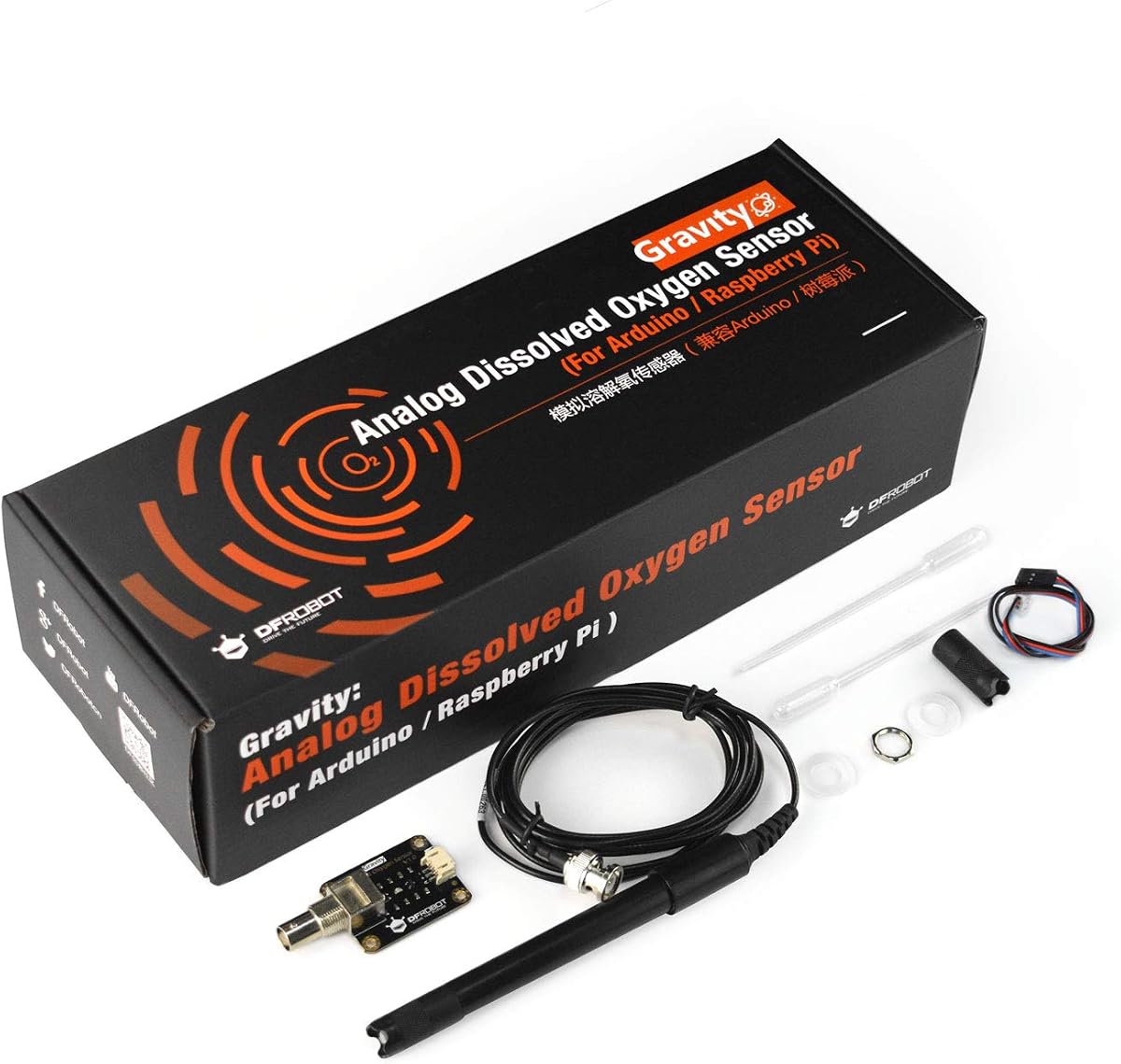
This Gravity Analog Dissolved Oxygen Sensor Kit stands out for its ease of integration with popular microcontrollers. It offers a galvanic probe that requires no polarization time, making it ready for instant measurements whenever you need them. With a strong rating of 4.4 stars, users appreciate its reliability in aquaculture and IoT projects.
We may earn a commission when you buy through this link, at no additional cost to you.
The sensor features hardware filtering on its signal converter board, which outputs smooth analog voltage without extra software work. This simplifies wiring for Arduino, ESP32, and Raspberry Pi setups. The detection range of 0 to 20 mg/L covers most common water quality needs, and the fast response time ensures you get data quickly without long waits.
One trade-off is that the filling solution is not included due to shipping limits, though it is easy to prepare. You also need an ADC module for your board, but the package includes all other necessary components like spare membranes. These minor conveniences are worth the savings and flexibility for hobbyists and researchers building custom systems.
If you are building an automated water quality monitor, this kit is a top choice. It combines accuracy with accessibility, making it ideal for those who want precise dissolved oxygen data without investing in expensive standalone meters. Its open-source support ensures you can deploy it quickly in labs or smart farms.
The galvanic probe stays active at any time, allowing immediate measurement without the wait for stabilization or pre-heating found in other sensor types.
Included documentation and code support single or two-point calibration, ensuring high precision with temperature compensation for various water conditions.
We may earn a commission when you buy through this link, at no additional cost to you.
The Dissolved Oxygen Meter with ATC offers an extended range up to 40 mg/L, making it versatile for various water bodies from aquariums to industrial settings. It includes all necessary calibration tools, so you can start measuring right away. Users rate it highly for its straightforward design and reliable performance in everyday applications.
We may earn a commission when you buy through this link, at no additional cost to you.
Its Automatic Temperature Compensation ensures accurate results between 0 and 50 degrees Celsius, adapting to changing conditions without manual input. The clear digital display makes readings easy to read at a glance. The package includes protective covers and anaerobic water powder, which simplifies the calibration process for long-term accuracy.
While the lack of a backlight might be inconvenient in low-light environments, the auto power-off feature saves battery life effectively. You may need to replace the membrane sleeve if readings drift over time, but this is standard for this type of electrode. These factors make it a practical choice for routine monitoring.
For hobbyists and small-scale researchers, this meter provides the best balance of features and cost. It supports a wide variety of applications without requiring complex setup. If you need a dependable tool for aquariums or ponds, this option delivers consistent results with minimal fuss.
The 0-40 mg/L range surpasses standard 20 mg/L limits, supporting applications like industrial uses and larger water systems where oxygen levels vary widely.
Included anaerobic water powder and protective covers ensure you can maintain accuracy easily without purchasing extra supplies separately.
We may earn a commission when you buy through this link, at no additional cost to you.
This optical dissolved oxygen meter kit delivers state-of-the-art performance with minimal maintenance. It eliminates the need for solution refills or frequent membrane changes, offering a hassle-free experience for demanding environments. With a 4.8 rating, it is a favorite among professionals who need precision and durability in harsh conditions.
We may earn a commission when you buy through this link, at no additional cost to you.
The IP67 waterproof and dust-proof structure ensures the device remains reliable even in wet or dusty settings. The included 10-foot optical probe provides flexibility for deep or hard-to-reach measurements. Auto calibration for saturated air and zero-oxygen makes setup quick, reducing downtime during critical water quality assessments.
Although the initial cost is higher than basic models, the reduced maintenance requirements save time and resources in the long run. Cleaning the optical sensor is straightforward compared to replacing membranes. This trade-off is acceptable for users who prioritize accuracy and longevity in their testing routines.
If you require a robust solution for research or industrial applications, this kit is the top choice. Its design supports consistent results over time with little effort. For those who want a reliable tool that stands up to tough environments, this meter offers exceptional value and performance.
The optical sensor design removes the need for solution refills or regular membrane changes, simplifying upkeep significantly.
With an IP67 rating, this device handles exposure to water and dust, making it ideal for fieldwork or outdoor monitoring.
We may earn a commission when you buy through this link, at no additional cost to you.
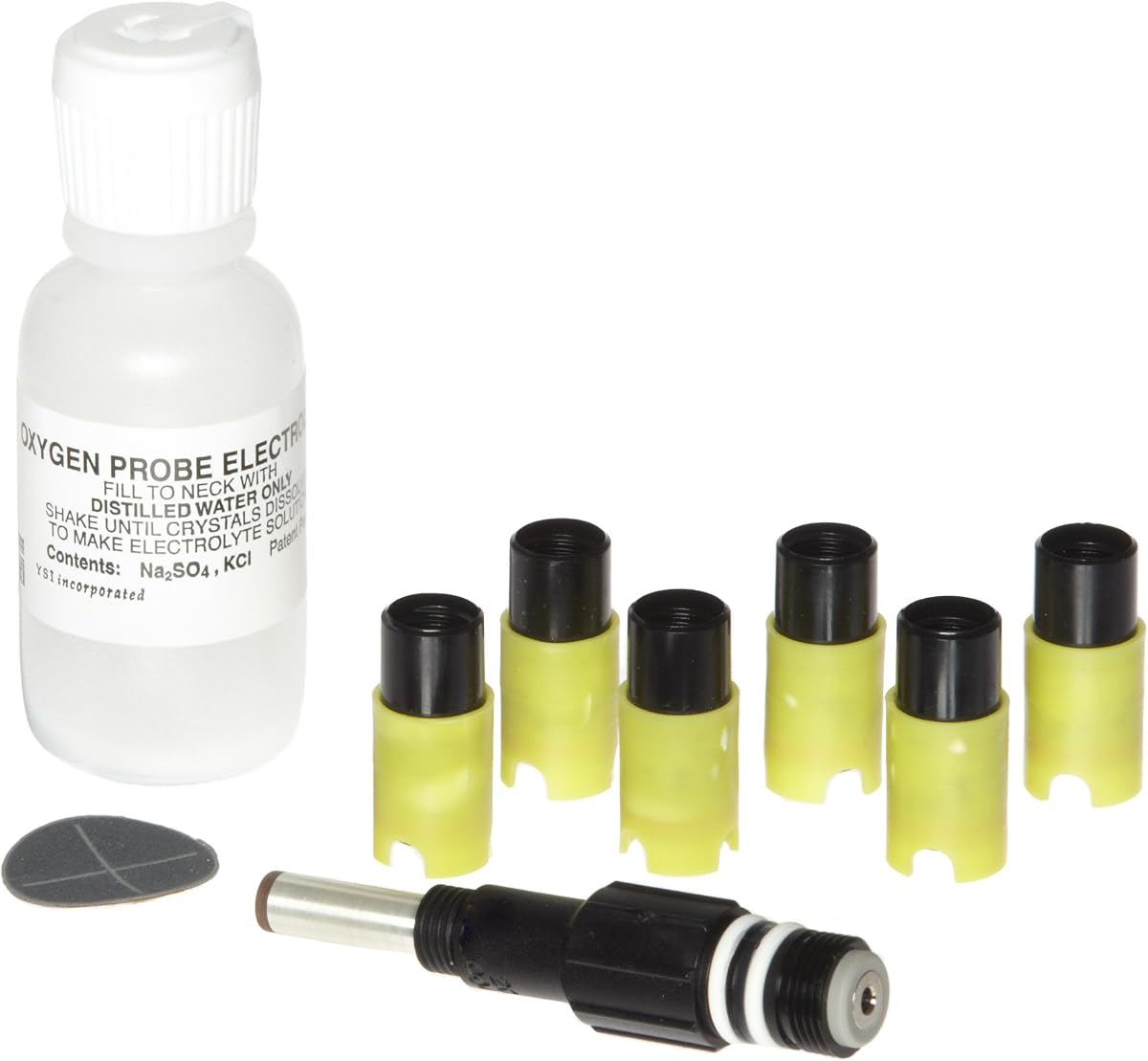
The YSI-605202 Pro Series sensor is designed for users who need rapid sensor replacements without tools. Its galvanic technology ensures reliable measurements with easy-to-change cap membranes. Users appreciate the convenience of screw-on caps and the included accessories, making it a strong choice for maintaining continuous monitoring systems.
We may earn a commission when you buy through this link, at no additional cost to you.
This sensor allows quick replacements to minimize downtime, which is essential in commercial aquaculture or research labs. The included 6 membrane caps and solution bottle provide immediate readiness upon arrival. The straightforward design means you do not need special equipment to swap membranes when they wear out.
One consideration is that it must pair with a compatible YSI meter, limiting flexibility if you use other brands. Consumables like membranes may require periodic purchases, though the included supply offers a good start. These factors are minor compared to the ease of maintaining an active system.
For professionals who depend on consistent data, this sensor simplifies maintenance. It supports high accuracy and ease of use in critical environments. If you operate a YSI system, this is the ideal companion to ensure your dissolved oxygen monitoring runs smoothly without interruption.
Convenient screw-on cap membranes make changes simple and fast, allowing you to restore sensor function without tools.
The package includes membrane caps and solution, ensuring you can start using the sensor immediately after unboxing.
We may earn a commission when you buy through this link, at no additional cost to you.
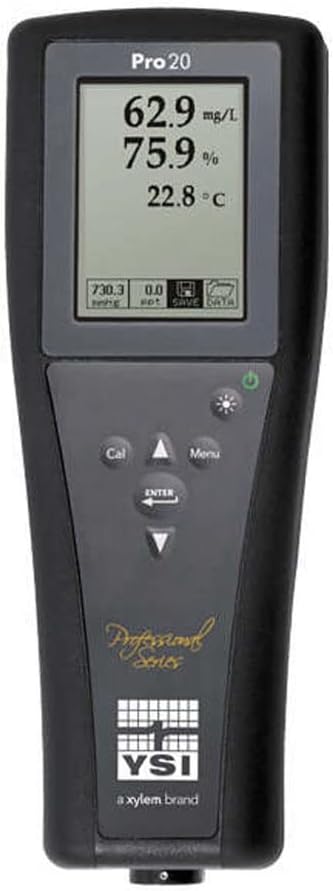
This handheld dissolved oxygen meter delivers quick calibration with One Touch Cal, allowing measurements within 3 seconds. It stores 50 data sets so you do not need to write notes manually. The backlight and glow-in-the-dark keypad make it useful in dim lighting, which is common during field work.
We may earn a commission when you buy through this link, at no additional cost to you.
Its automatic barometric pressure compensation ensures accurate readings across different altitudes and conditions. The display is clear and easy to read even in low light, improving usability during early morning or evening checks. Users find it reliable for environmental monitoring and quick water quality assessments.
Keep in mind that this is the meter only, meaning you will need to acquire a compatible probe separately. This may add to the cost if you already do not have one, but the ease of use justifies the investment for professionals. The data storage feature is particularly helpful for reporting without losing information.
If you need a portable tool for outdoor measurements, this meter is an excellent choice. Its design prioritizes speed and data management, making it ideal for researchers and environmentalists. The combination of features ensures you can gather reliable data efficiently in various conditions.
The One Touch Cal feature allows easy DO calibrations in just 3 seconds with a single button press, saving valuable time.
With the ability to store 50 data sets, you can collect readings without needing to write them down manually, reducing errors.
We may earn a commission when you buy through this link, at no additional cost to you.
This optical sensor is designed for professional use as part of the YSI ProDSS system. It provides reliable dissolved oxygen data that integrates seamlessly with other environmental parameters. The optical technology ensures accuracy without the need for frequent membrane maintenance, making it suitable for long-term monitoring projects.
We may earn a commission when you buy through this link, at no additional cost to you.
Its design supports the ProDSS ecosystem, allowing you to combine it with other sensors for comprehensive water quality analysis. This makes it ideal for complex research or industrial applications where multiple parameters must be tracked simultaneously. Users value its reliability and the consistency of its readings over time.
Note that this sensor requires a compatible ProDSS meter to function, which limits flexibility if you use other brands. It is a specialized component meant for integrated setups rather than standalone devices. However, for those already invested in the system, it is the optimal choice for dissolved oxygen monitoring.
If you need a high-performance sensor for multi-parameter testing, this is the top option. It ensures you can track oxygen levels alongside other critical factors with precision. For professional environments, this sensor delivers the quality and integration necessary for thorough water quality assessment.
As part of the ProDSS system, this sensor integrates easily with other multi-probe meters for comprehensive analysis.
The optical design offers high performance and reliability for professional applications requiring consistent dissolved oxygen data.
We may earn a commission when you buy through this link, at no additional cost to you.
This digital dissolved oxygen meter kit is designed specifically for monitoring oxygen levels in ponds and aquaculture setups. It comes with a 3.6-foot cable, making it easy to reach deeper water, and includes essential accessories like membranes and electrolyte solution. Users find it helpful for ensuring water quality in fish tanks and small ponds.
We may earn a commission when you buy through this link, at no additional cost to you.
The 2-point calibration ensures high accuracy, which is critical for maintaining healthy aquatic life. A backlit display allows readings even in dimly lit environments, and the auto shutoff extends battery life. These features make it a practical tool for routine checks without needing frequent intervention.
While user ratings are lower than premium options, this kit offers a functional solution for budget-conscious users. It may lack the durability of professional meters, but it serves well for basic monitoring needs. The included accessories mean you can start testing immediately without additional purchases.
If you manage a fish pond or hydroponic system, this meter provides essential insights. It helps prevent oxygen-related issues that could harm aquatic life. For small-scale operations, this tool offers a straightforward way to maintain water quality and support a healthy environment for plants and animals.
The 2-point calibration method ensures high accuracy for reliable readings across different water conditions and levels.
The kit includes electrolyte solutions and six membranes, allowing immediate setup and sustained use for testing.
We may earn a commission when you buy through this link, at no additional cost to you.
This meter stands out with its 11.48-foot cable, allowing measurements in deeper bodies of water without needing additional equipment. It supports multi-parameter testing including DO, temperature, salinity, and barometric pressure. Users appreciate the data storage capacity and the complete kit that includes carrying cases and accessories.
We may earn a commission when you buy through this link, at no additional cost to you.
The high-precision measurement with a large LCD display ensures you get accurate readings at a glance. The IRDA port provides a way to transfer data, which is useful for reporting or analysis. These features make it suitable for educational, environmental, and industrial applications where detailed records matter.
While the resolution might not match high-end instruments, it delivers reliable performance for general monitoring. You may need to replace Teflon membranes occasionally to maintain accuracy, but this is typical for Clark-type electrodes. The portable design ensures you can take it wherever testing is required.
For users who need to measure in various depths and conditions, this meter is an excellent choice. It combines functionality with portability, making it versatile for many tasks. If you require a reliable tool for diverse environments, this kit offers the tools needed for consistent and accurate testing.
The 11.48-foot cable allows you to reach deeper water layers, ensuring comprehensive monitoring of different depths.
With 99-data memory and an IRDA port, you can store and transfer readings for later analysis or reporting needs.
We may earn a commission when you buy through this link, at no additional cost to you.
The Milwaukee MW600 is a portable dissolved oxygen meter ideal for educational and basic analysis applications. It offers two-point manual calibration and automatic temperature compensation to ensure accurate readings. Users appreciate its simplicity and cost-effectiveness, making it a good choice for classrooms or small labs.
We may earn a commission when you buy through this link, at no additional cost to you.
Its polarographic probe with a 3m cable allows for flexible testing in various water sources. The LCD screen is clear and easy to read, providing straightforward information for users of all levels. The included screw-on cap membrane simplifies replacement and maintenance over time.
While the resolution may not match more advanced models, it delivers consistent results for general purposes. The manual calibration process adds a step, but it ensures accuracy through user verification. These factors make it reliable for training and basic water quality checks.
If you need a dependable tool for education or simple monitoring, this meter is a solid choice. It balances performance with affordability, making it accessible for diverse needs. For those who prioritize ease of use and reasonable accuracy, this device provides the reliability needed for daily tasks.
Designed for educational and environmental analysis, this meter supports learning and basic monitoring with reliable performance.
Automatic compensation from 0 to 30 degrees Celsius ensures accurate readings despite changes in water temperature.
We may earn a commission when you buy through this link, at no additional cost to you.
This polarographic dissolved oxygen sensor is designed for lab supply use, offering reliable performance in controlled environments. It weighs only 0.35 lbs, making it easy to handle and transport. Users rate it highly for its precision and integration with YSI systems, ensuring consistent data for research and testing.
We may earn a commission when you buy through this link, at no additional cost to you.
The polarographic technology provides stable readings for various applications, though it may require more maintenance than optical options. It comes in standard packaging with one unit, which simplifies procurement for labs. Its compatibility with YSI meters ensures it works seamlessly with established setups.
One consideration is that you need a compatible YSI meter to utilize this sensor effectively. Polarographic sensors typically need regular membrane replacement, but the lightweight design makes handling easy during service. These trade-offs are acceptable for professionals who value precision and system integration.
If you manage a lab or research facility, this sensor offers the accuracy required for detailed work. It supports rigorous testing protocols and integrates well with existing infrastructure. For those who need a dependable tool for professional testing, this sensor delivers the quality and performance you expect.
Packaged as a lab supply, this sensor meets professional standards for accuracy and integration in research environments.
Weighing only 0.35 lbs, the sensor is easy to handle and transport, simplifying setup and maintenance tasks.
We may earn a commission when you buy through this link, at no additional cost to you.
Selecting the right sensor depends on your specific needs, budget, and the environment in which you will use it. Understanding key factors helps you make an informed decision.
Dissolved oxygen sensors typically use galvanic, polarographic, or optical technology. Galvanic sensors require no polarization time and are ideal for intermittent use. Polarographic sensors need pre-heating but offer high accuracy. Optical sensors need minimal maintenance and no electrolyte refills.
Choose galvanic for simplicity, polarographic for precision, or optical for low-maintenance long-term monitoring.
Different applications require different measurement ranges. Standard sensors cover 0 to 20 mg/L, while others extend to 40 mg/L or more. Ensure the range matches your expected water conditions to avoid saturation or under-measurement.
Select a range that fully covers your water quality needs to ensure accurate and meaningful readings.
Response time determines how quickly the sensor reaches 98% of the reading. Faster response times are crucial for real-time monitoring or rapid changes in water conditions. Look for sensors with response times under 90 seconds for efficient testing.
Opt for sensors with faster response times if you need quick results for time-sensitive monitoring tasks.
Maintenance needs vary significantly between sensor types. Galvanic and polarographic sensors require membrane and electrolyte changes, while optical sensors minimize these needs. Consider the frequency and cost of maintenance when choosing a sensor for continuous use.
Evaluate how much maintenance you can commit to before selecting a sensor technology.
Calibration accuracy impacts the reliability of your measurements. Features like automatic temperature compensation and multi-point calibration improve precision. Look for models that support easy calibration processes to maintain accuracy over time.
Prioritize sensors with automatic temperature compensation and easy calibration to ensure consistent results.
Some meters offer data storage, IRDA ports, or Bluetooth connectivity. These features allow you to track trends and export data for analysis. Consider your reporting needs when deciding on connectivity options.
Choose sensors with data storage or connectivity if you need to analyze trends or report findings regularly.
Environmental conditions affect the durability of your sensor. Look for waterproof or dust-proof ratings like IP67 if you work in harsh conditions. Sturdy construction ensures the sensor survives regular handling and exposure.
Check durability ratings and build quality to ensure the sensor can withstand your specific working environment.
If you use specific brands or systems, ensure the sensor is compatible. Some sensors work only with proprietary meters, while others support broader platforms. Verify compatibility before purchasing to avoid integration issues.
Ensure the sensor is compatible with your current meter or system for seamless integration and accurate readings.
Before use, prepare the sensor by filling it with the required electrolyte solution if it is galvanic or polarographic. Ensure the membrane is properly installed without air bubbles. Allow the sensor to stabilize if required by its technology type.
Calibrate the sensor regularly using the provided calibration solutions. Most sensors support one or two-point calibration for accuracy. Follow the manufacturer's instructions for temperature compensation to ensure precise readings across different conditions.
After use, rinse the sensor with clean water and store it in a protective cap. Replace membranes and electrolytes as needed to maintain performance. Regular cleaning and care extend the life of your sensor and ensure reliable measurements.
Galvanic sensors generate their own voltage and require no polarization time, making them ready for instant use. Polarographic sensors require an external voltage and pre-heating but often offer higher accuracy. Both types need membrane changes, but galvanic sensors are generally easier to maintain.
You should calibrate your sensor before each critical measurement or at least once a week for regular use. Frequent calibration ensures accuracy and compensates for changes in temperature and environmental conditions. Always follow the manufacturer's recommended schedule for best results.
Yes, many sensors support saltwater measurements but may require specific calibration for salinity. Some models include salinity compensation features to improve accuracy. Always check the specifications to ensure the sensor is suitable for your water type.
The lifespan varies by type and maintenance, but optical sensors can last years with minimal maintenance. Galvanic and polarographic sensors typically last months depending on membrane changes and usage. Proper care and timely replacements extend the overall life of the sensor.
Drift can occur due to membrane aging, electrolyte depletion, or temperature changes. Regular calibration and replacing consumables help minimize drift. If drift persists, the sensor may need servicing or replacement to maintain accuracy.
No, optical sensors do not require electrolyte refills as they use light to measure oxygen levels. This feature significantly reduces maintenance compared to galvanic or polarographic sensors. However, the optical surface still requires periodic cleaning to ensure accuracy.
We reviewed ten top-rated dissolved oxygen sensors, highlighting their unique features and ideal use cases. From affordable meters to professional optical systems, each option serves different needs in aquaculture and research.
Prioritize sensor technology, maintenance needs, and calibration features when choosing. Your specific environment and budget will determine the best fit for your monitoring tasks.
Prices and availability may change, so verify current listings before purchasing to ensure you get the best deal available for your requirements.