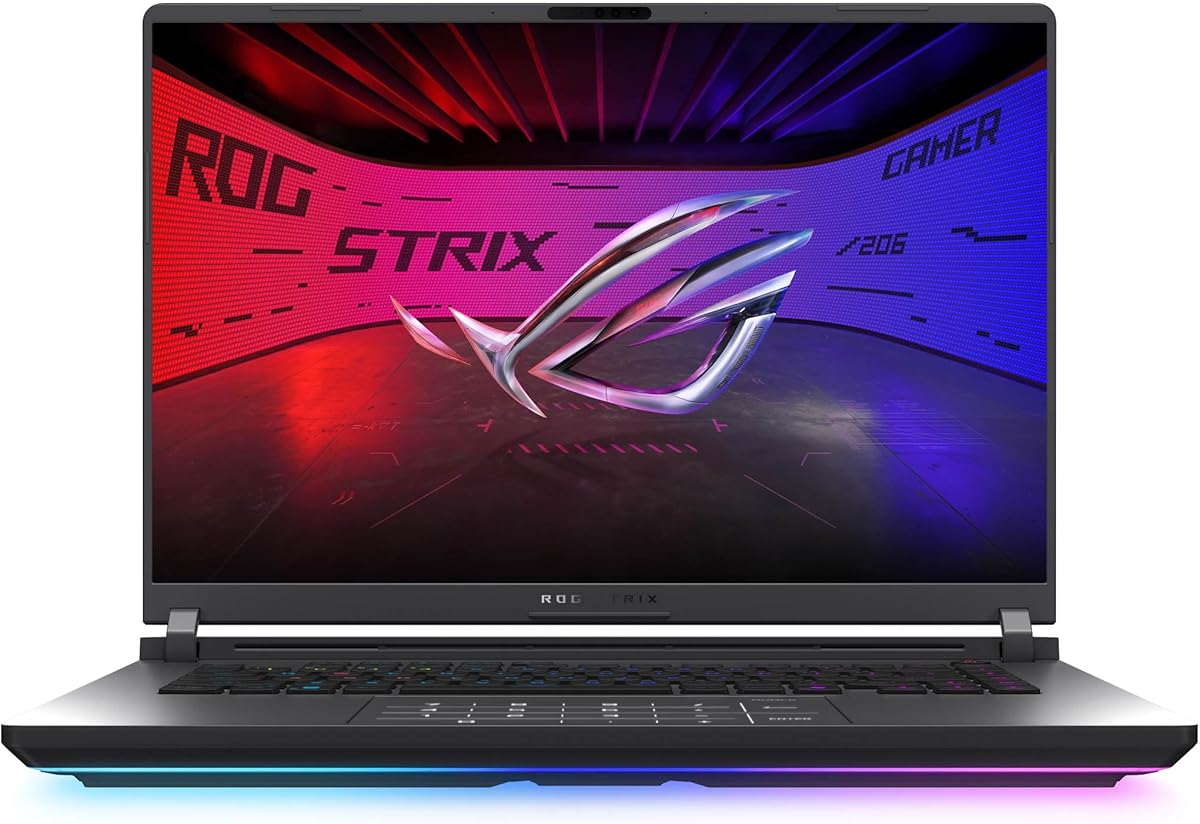
ASUS ROG Strix G16 (2025)
4.3Editor score
RTX 5070 Ti GPU
240Hz ROG Nebula Display
Intel Core Ultra 9
Choosing the right laptop for flight simulators requires balancing powerful graphics processing with high refresh rate displays to ensure smooth, realistic aviation experiences without frustrating lag.
We evaluated ten top-rated options ranging from high-end gaming rigs to budget-friendly models, focusing on GPU power, CPU cores, memory capacity, and thermal management for sustained simulation sessions.
Each pick highlights specific strengths like ray tracing support or portability, helping you find the ideal machine for your cockpit setup while noting that current pricing may vary over time.
4.3Editor score

4.4Editor score

4.2Editor score
As an Amazon Associate we earn from qualifying purchases.
This side-by-side comparison highlights key specifications across all ten products, helping you quickly identify which model offers the best balance of performance, display quality, and value for flight simulation tasks.




The ASUS ROG Strix G16 stands out as the top recommendation for flight simulators due to its powerful RTX 5060 GPU and high refresh rate display that ensures smooth visual rendering.
We may earn a commission when you buy through this link, at no additional cost to you.
Its advanced thermal cooling system keeps the CPU and GPU running efficiently during long simulation flights, while the 165Hz screen minimizes motion blur for better situational awareness.
While the price is a premium investment, the performance-to-value ratio makes it accessible for serious enthusiasts who need reliability without compromising on graphical fidelity or response times.
If you are looking for a balanced machine that handles complex cockpit interfaces and detailed terrain rendering effortlessly, this model delivers exceptional results for both casual and pro users.
The 165Hz FHD+ display with ACR film enhances contrast and reduces glare, making it ideal for tracking horizon lines and distant airports during flight.
ROG Intelligent Cooling with liquid metal and tri-fan technology ensures sustained performance without thermal throttling, crucial for long simulation sessions.
We may earn a commission when you buy through this link, at no additional cost to you.
For users who demand maximum graphical fidelity and speed, this premium model delivers with the RTX 5070 Ti and an ultra-fast 240Hz Nebula display that pushes simulation visuals to new heights.
We may earn a commission when you buy through this link, at no additional cost to you.
The 32GB of DDR5 memory allows seamless multitasking between simulation software, voice communication, and map overlays, ensuring no lag even with complex scenarios loaded.
While the cost is significant, the raw power and superior cooling make it a future-proof investment for professionals or enthusiasts who want to run high-fidelity mods without compromise.
This laptop is the ultimate choice for those seeking a premium experience where budget is secondary to uncompromising performance and cutting-edge display technology.
The 2.5K resolution and 240Hz refresh rate provide stunning clarity and fluidity, essential for high-speed maneuvers and detailed instrument panels.
The Intel Core Ultra 9 processor handles demanding physics calculations efficiently, ensuring smooth AI traffic and weather system rendering.
We may earn a commission when you buy through this link, at no additional cost to you.
This budget-friendly option offers surprising value with 32GB of DDR5 RAM and a spacious 17.3-inch display, making it a solid entry point for users new to flight simulation.
We may earn a commission when you buy through this link, at no additional cost to you.
While the integrated graphics may not support ultra settings in heavy titles, it handles lighter simulation software and essential cockpit views well enough for learning and casual flying.
The ability to upgrade memory and storage ensures longevity, while the fast charging feature helps keep you powered during long travel or extended work sessions on the go.
It is an ideal choice for students or hobbyists who want a capable machine for daily tasks and light gaming without breaking the bank or sacrificing screen size.
The combination of 32GB RAM and a large screen at this price makes it a standout for budget-conscious buyers needing multitasking power.
Fast charging and a compact USB-C charger reduce battery anxiety, allowing for flexible use across different environments without constant outlet hunting.
We may earn a commission when you buy through this link, at no additional cost to you.
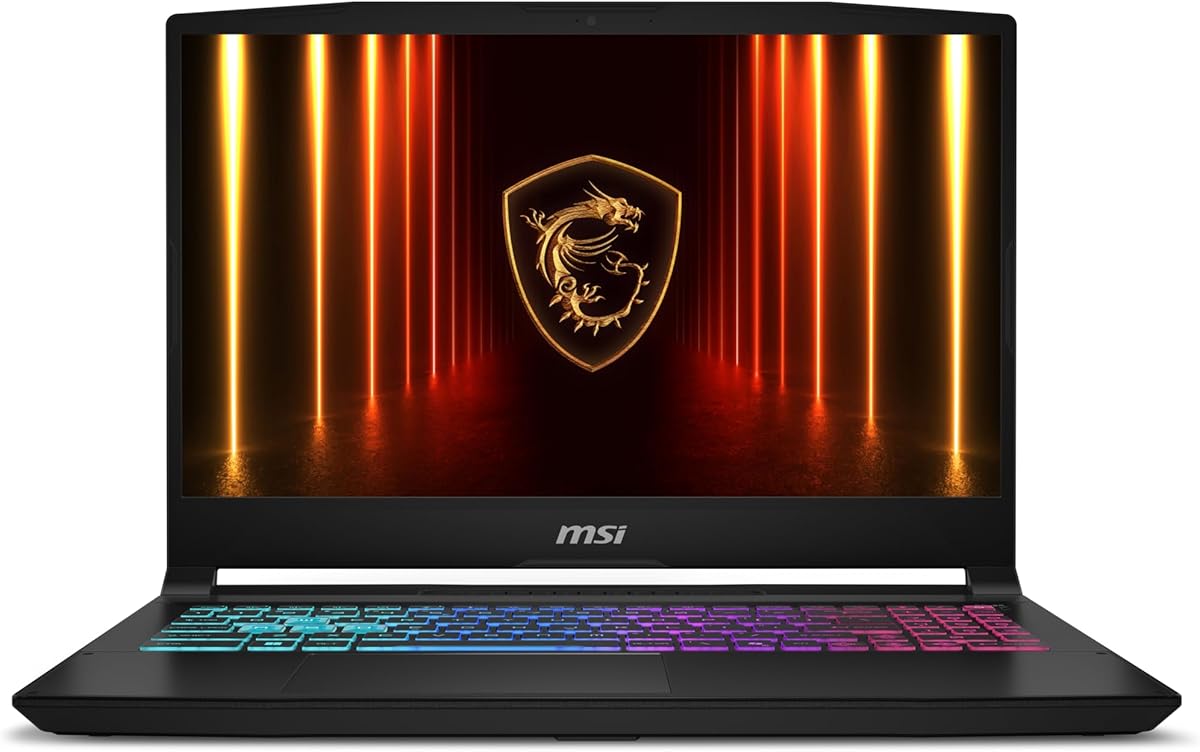
The msi Katana 15 HX brings elite gaming power to flight simulators with its Core i9 processor and RTX 5070, delivering high FPS and smooth rendering for complex flight scenes.
We may earn a commission when you buy through this link, at no additional cost to you.
Its Cooler Boost 5 technology maintains stable frame rates during long marathons, while the QHD+ display provides excellent detail for reading cockpit gauges and viewing terrain.
Though it weighs more than typical ultrabooks, the performance benefits justify the bulk for users who prioritize simulation fidelity over portability or everyday casual use cases.
This machine is recommended for those who need top-tier specs to run demanding simulations and are comfortable with a dedicated desktop replacement form factor.
The 24-core hybrid architecture delivers fast load times and high FPS, ideal for multitasking between flight maps and voice comms.
Dual fans and a 5-heat-pipe design ensure thermal stability, preventing performance dips during extended flight simulation sessions.
We may earn a commission when you buy through this link, at no additional cost to you.
This software bundle offers a comprehensive experience with the included Interlink DX controller, providing a realistic and immersive way to practice aviation skills without needing a separate rig.
We may earn a commission when you buy through this link, at no additional cost to you.
The interface is designed for ease of use, minimizing the need for keyboard input, and supports a wide range of aircraft from micro to scale models for diverse learning opportunities.
With quarterly content updates and online multiplayer options, it keeps the experience fresh and engaging for hobbyists who want to compete or collaborate with others virtually.
It is an excellent starting point for those interested in RC flight simulation, offering a complete package that balances affordability with high-quality simulation features.
The Interlink DX controller makes navigation intuitive, eliminating mouse dependency and allowing for precise inputs that mimic real RC handling.
Compatibility with VR headsets adds a layer of immersion, enabling pilots to feel truly connected to their virtual cockpit environment.
We may earn a commission when you buy through this link, at no additional cost to you.
Designed for serious aviation enthusiasts, this yoke system offers realistic controls and a robust build quality that helps pilots build muscle memory for real-world flying scenarios.
We may earn a commission when you buy through this link, at no additional cost to you.
The stainless steel shaft ensures smooth and accurate movement, while the throttle quadrant and numerous programmable buttons provide comprehensive access to aircraft functions.
Although it requires significant desk space and comes at a premium cost, the realism it adds to your cockpit setup is unmatched by simpler joysticks or game controllers.
This is the best choice for users who want a professional-grade simulation experience and have the physical space to mount a full control system securely.
Stainless steel construction ensures durability and smooth movement, essential for long-term reliability in high-use simulation environments.
Over 50 programmable controls allow you to map essential aircraft functions directly to the yoke, reducing reliance on keyboard shortcuts.
We may earn a commission when you buy through this link, at no additional cost to you.
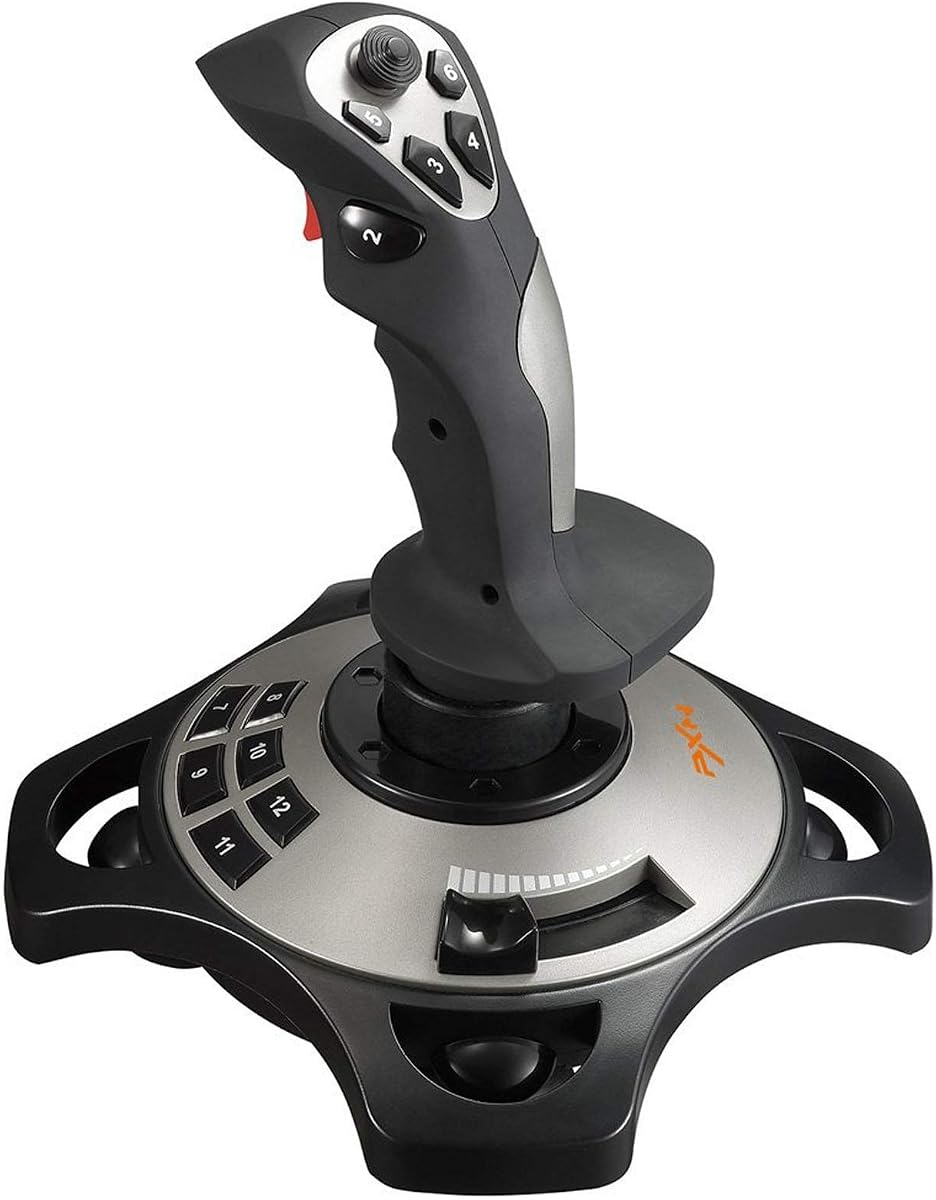
This joystick offers a reliable entry into flight simulation with a simple plug-and-play setup that lets you start flying immediately without driver complications.
We may earn a commission when you buy through this link, at no additional cost to you.
The adjustable resistance and weighted base ensure stability during critical maneuvers, while the integrated throttle lever simplifies the setup for single-device control.
Despite its affordable price, it includes enough programmable buttons to map key flight functions, making it a practical option for casual users or beginners.
It is a solid choice for those who want a functional and straightforward flight controller without the complexity or cost of a full yoke system.
Zero driver installation means you can plug it in and start playing instantly, saving time on technical setup for immediate simulation enjoyment.
The integrated throttle and rudder twist handle essential control tasks comfortably, ensuring a natural flying posture during extended sessions.
We may earn a commission when you buy through this link, at no additional cost to you.
This controller provides a budget-friendly solution for flight simulation enthusiasts, offering vibration feedback and programmable buttons to enhance the immersion of your cockpit experience.
We may earn a commission when you buy through this link, at no additional cost to you.
It supports a wide range of PC games, from flight sims to tank games, though its Windows-only compatibility limits flexibility for Mac or console users.
While the materials are less premium than high-end options, the ergonomic design and reasonable price make it a good starter option for those testing the waters.
For gamers on a tight budget who need a functional flight stick for PC-based simulations, this controller delivers essential features without a hefty price tag.
The vibration function adds tactile feedback to your flight, helping you feel turbulence or engine changes for a more immersive simulation experience.
Beyond flight sims, it works well with various PC games, making it a versatile controller for users who enjoy multiple genres on their rig.
We may earn a commission when you buy through this link, at no additional cost to you.
Enhance your flight simulation realism with these precision rudder pedals that offer a long range of travel and a self-centering axis for smooth and coordinated turns.
We may earn a commission when you buy through this link, at no additional cost to you.
The SMART rail sliding system ensures friction-free motion, while the sturdy construction provides stability during aggressive maneuvers, making them suitable for long flight sessions.
Although they are just one part of a full cockpit setup, their ability to work across PC, Xbox, and PS5 makes them a versatile addition to any simulator enthusiast's gear.
These pedals are ideal for pilots who want to upgrade from keyboard controls to a more tactile and accurate way of managing rudder input during flight.
The four aluminum rails provide exceptionally smooth motion, reducing friction and ensuring consistent control inputs during every flight operation.
The self-centering design ensures accurate return to neutral, which is essential for maintaining a steady heading during straight-and-level flight.
We may earn a commission when you buy through this link, at no additional cost to you.
This classic simulation offers a timeless flight experience with dynamic weather and worldwide scenery that remains popular for its realistic atmospheric physics and detailed 3D terrain.
We may earn a commission when you buy through this link, at no additional cost to you.
It supports multiple windows and monitors, allowing for an immersive cockpit setup where you can view navigation screens and outside views simultaneously on different displays.
Although newer versions exist, the 2004 edition is valued for its stability and vast community mods, making it a solid choice for enthusiasts who prefer a proven platform.
If you want a nostalgic yet functional simulation tool that runs well on modern hardware through compatibility layers, this classic edition offers enduring value for flight training.
Accurate 3D terrain and auto-gen objects fill the world with realistic buildings and vegetation, enhancing the immersion of every flight route you choose.
Interactive air traffic control adds realism to your flights by simulating real-world communications and airport traffic management for authentic operations.
We may earn a commission when you buy through this link, at no additional cost to you.
Selecting the ideal laptop for flight simulators involves assessing several technical factors to ensure the machine can handle demanding graphics and long processing sessions.
Flight simulators rely heavily on the GPU to render detailed landscapes and cockpit instruments smoothly. Look for a dedicated graphics card with at least 4GB VRAM to ensure high frame rates and realistic lighting effects.
Prioritize models with newer GPU architectures that support ray tracing and DLSS, as these technologies significantly enhance visual fidelity and performance in complex simulation environments.
A strong CPU is essential for calculating physics, weather patterns, and AI traffic in real time. Aim for a processor with multiple cores and high clock speeds to prevent stuttering during heavy flight loads.
Modern Intel Core i7 or i9 and AMD Ryzen 7 or 9 processors are recommended as they provide the computational power needed for multitasking and smooth simulation operation.
Flight simulation software can be memory-intensive, especially when running additional overlays like maps or voice chat. At least 16GB of RAM is a minimum standard, but 32GB is preferred for future-proofing.
Ensure the laptop supports RAM upgrades if possible, so you can expand memory later to keep up with evolving software demands without replacing the entire device.
A high refresh rate screen minimizes motion blur and provides a smoother experience during fast maneuvers. Look for displays with at least 144Hz or 165Hz to ensure responsive visuals.
Color accuracy and resolution are also critical; an FHD or QHD panel ensures instrument panels remain readable and scenery details stay sharp throughout your flights.
Long simulation sessions generate significant heat, so effective cooling is necessary to prevent thermal throttling. Look for laptops with advanced cooling solutions like liquid metal or multiple fans.
A well-ventilated chassis ensures consistent performance over time, allowing you to fly for hours without the system slowing down due to overheating.
Fast storage reduces load times for large simulation maps and aircraft files. An SSD with at least 512GB of space is recommended to store your game library and essential data.
NVMe Gen 4 SSDs are ideal for quick access to assets, ensuring that you spend less time waiting for flights to load and more time enjoying the experience.
A variety of ports allows you to connect flight controllers, multiple monitors, and external devices. Look for USB-C, USB-A, and HDMI ports to support your cockpit peripherals.
Wi-Fi 6 or 7 support is also beneficial for stable online multiplayer sessions and quick downloads of new simulation content without connection interruptions.
If you plan to use your laptop outside a fixed cockpit, consider battery life and weight. Gaming laptops often have shorter battery life but prioritize power over portability.
For desktop setups, battery life is less critical, but a compact design can still make it easier to move the system between rooms or different simulation stations.
To get the best performance, update your graphics drivers regularly and configure your simulation software to match your laptop's native display resolution and refresh rate for optimal visuals.
Keep the cooling vents free of dust and use a cooling pad if you plan extended sessions, as maintaining low temperatures prevents hardware degradation and performance drops over time.
Backup your save files and custom settings frequently to prevent data loss, and ensure your system is protected with reliable antivirus software to keep your data secure during online multiplayer.
A minimum setup typically includes a dedicated GPU with 4GB VRAM, an Intel Core i5 or AMD Ryzen 5 processor, and 16GB of RAM to ensure smooth operation in most modern simulation titles.
Yes, most flight yokes connect via USB and are compatible with major laptop operating systems, provided the laptop has a standard USB port and the necessary drivers are installed.
While not strictly required, a high refresh rate screen like 144Hz or 165Hz improves visual smoothness and reduces motion blur, which is helpful during high-speed maneuvers and navigation.
Gaming laptops are often better suited for flight simulation due to their superior cooling, dedicated GPUs, and higher refresh rate displays compared to standard ultrabooks or office laptops.
Most modern simulation software takes up significant space, so aiming for at least 1TB of storage is advisable to comfortably store the base game, add-ons, and multiple aircraft models.
Yes, most gaming laptops support multiple external monitors via HDMI or USB-C, allowing you to expand your cockpit view for a more immersive simulation experience.
The ASUS ROG Strix G16 models stand out as top choices for balancing performance, display quality, and thermal management, making them ideal for both casual and professional aviation enthusiasts.
When prioritizing your purchase, focus on GPU power and cooling capabilities to ensure your simulations run smoothly without stuttering, while also considering future-proofing with RAM upgrades.
Prices for flight simulator laptops fluctuate frequently so check current deals before buying to ensure you get the best value for your budget on your selected configuration.