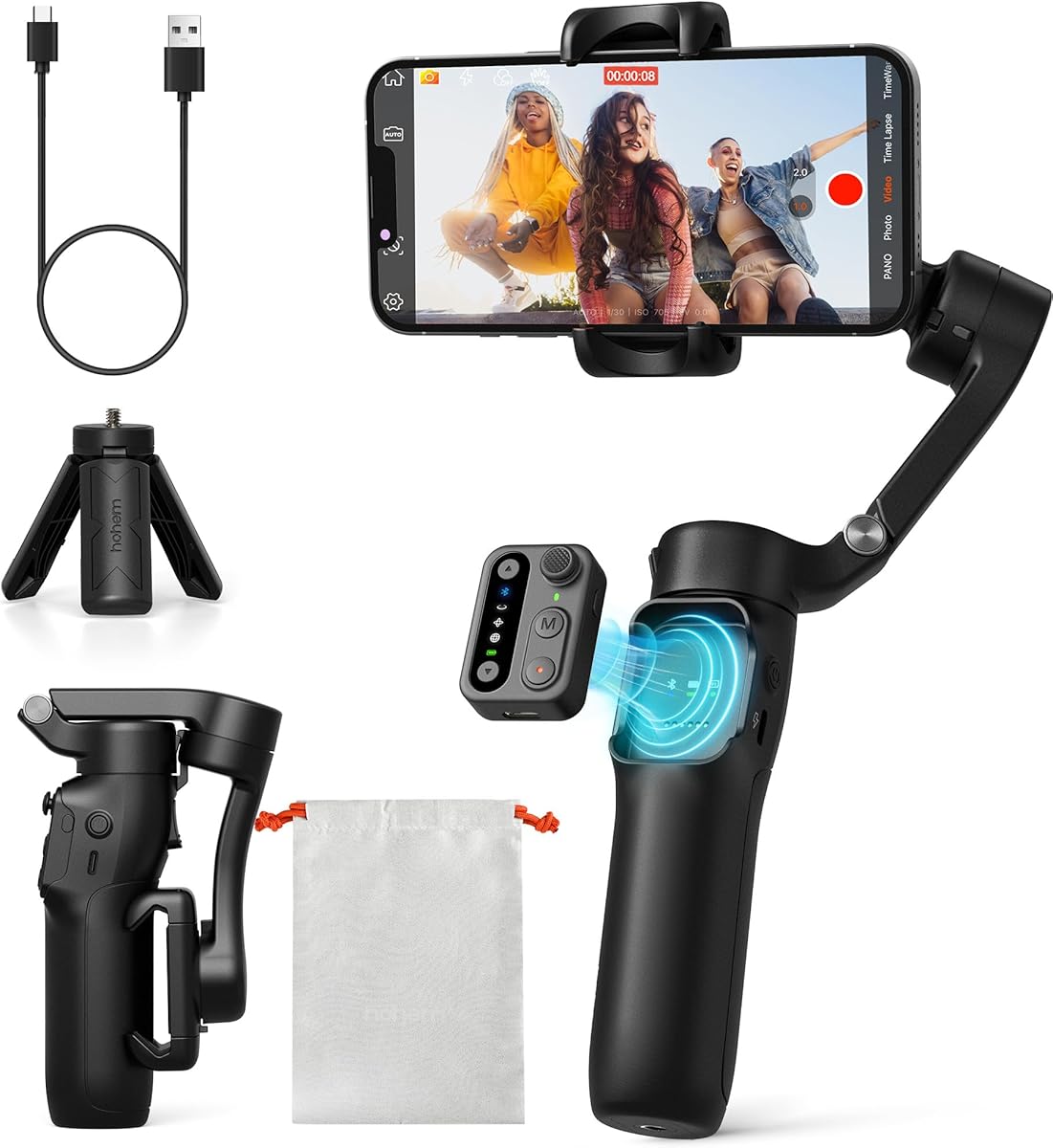
hohem iSteady X3 SE
4.2Editor score
Foldable Design
11 Hour Battery
Detachable Remote
Finding the right gimbal for mountaineering means looking for stability weight and battery life. You need gear that handles rough terrain without adding bulk to your pack during long treks.
We compared ten leading models based on stabilization quality ease of use and durability. Our analysis focuses on how well each device performs in outdoor conditions typical of mountain adventures.
Each pick highlights key strengths and trade-offs to help you decide. Prices and availability change so check current listings before buying to ensure you get the best deal available now.
4.2Editor score

4.4Editor score

4.9Editor score
As an Amazon Associate we earn from qualifying purchases.
This side-by-side comparison highlights the key specs and strengths of each model to help you choose the right gimbal for your mountaineering needs.


The DJI Osmo Mobile 8 is a top choice for mountaineers needing reliable phone stabilization. With a 4.4 rating it offers robust 3-axis stabilization perfect for capturing steady footage on rough trails.
We may earn a commission when you buy through this link, at no additional cost to you.
Its 10-hour battery life ensures you can film all day without worrying about power. The built-in tripod and extension rod add flexibility for hands-free shots during rests or scenic viewpoints.
While it is priced higher than some competitors the performance and features justify the cost. App compatibility issues may require downloading from the official website but the experience remains smooth.
If you want a dependable gimbal for outdoor adventures the Osmo Mobile 8 is a strong recommendation. It balances portability and power well for capturing stunning mountain visuals.
With a 10-hour battery you can capture long hikes and climbing sessions without frequent recharging.
The built-in tripod allows you to set up stable shots easily without needing extra gear.
We may earn a commission when you buy through this link, at no additional cost to you.
The DJI Osmo Mobile 7 is an ultra-light gimbal ideal for mountaineers prioritizing weight savings. At 300 grams it adds minimal bulk to your pack while delivering professional 3-axis stabilization.
We may earn a commission when you buy through this link, at no additional cost to you.
ActiveTrack 7.0 keeps subjects in focus even during dynamic movements on uneven terrain. The foldable design makes it easy to stow when not in use during long treks.
Battery life matches the Mobile 8 with 10 hours of runtime but it may lack some advanced features. App compatibility requires downloading from DJI's website which can be a minor inconvenience.
For hikers who value light gear the Osmo Mobile 7 is an excellent choice. It provides stable footage without weighing you down on challenging climbs.
At just 300 grams this gimbal ensures you do not add unnecessary load to your climbing gear.
The foldable design allows you to pack it compactly in your backpack during travel.
We may earn a commission when you buy through this link, at no additional cost to you.
The Hohem iSteady Pro 4 is built for action cameras making it perfect for mountaineering where weather matters. Its IPX4 splashproof rating handles rain and snow without issues.
We may earn a commission when you buy through this link, at no additional cost to you.
Bluetooth connection allows shutter control and the 14-hour battery keeps you recording all day. Quick mounting means you can attach and detach your GoPro quickly on the trail.
This model is specialized for action cameras so it does not support phones directly. The controls are simple but effective for most outdoor shooting needs.
If you use a GoPro or similar action camera this gimbal is a reliable companion. It offers durability and long runtime essential for extended mountain expeditions.
IPX4 splashproof protection ensures the gimbal works in rainy or snowy conditions safely.
14 hours of battery life means you can film entire climbing sessions without charging.
We may earn a commission when you buy through this link, at no additional cost to you.
This variant of the iSteady Pro 4 adds a quick-release clip for faster mounting. It is ideal for climbers needing quick adjustments between shots on the move.
We may earn a commission when you buy through this link, at no additional cost to you.
The 14-hour battery and splashproof build make it a rugged choice for alpine environments. Bluetooth and cable control options provide flexibility in how you manage the camera.
Designed only for action cameras it may not suit those needing phone gimbals. The focus is on durability and speed for action-heavy activities.
For mountaineering involving fast action and variable weather this gimbal delivers performance. It ensures stable footage even during rapid movements on steep terrain.
The spring-loaded clip lets you attach or remove your camera in just seconds.
IPX4 rating ensures it can handle splashes from rain or melting snow.
We may earn a commission when you buy through this link, at no additional cost to you.
The hohem iSteady X3 SE offers great value for mountaineers on a budget. It features 3-axis stabilization and a foldable design that fits easily in a backpack.
We may earn a commission when you buy through this link, at no additional cost to you.
With an 11-hour battery and detachable remote it allows for flexible filming without extra gear. The lightweight build ensures it does not add significant weight to your pack.
While it lacks premium features the performance is solid for casual outdoor shooting. It is a good entry point for those new to gimbals.
If cost is a concern this gimbal provides reliable stabilization without breaking the bank. It suits casual climbers who want smooth footage at a lower price.
Affordable pricing makes this gimbal accessible for those who do not want to invest heavily.
The detachable remote allows you to trigger shots from up to 32 feet away.
We may earn a commission when you buy through this link, at no additional cost to you.
The DJI Osmo Mobile 7P includes a multifunctional module that adds mic and lighting features. This is useful for vloggers needing audio quality during mountain adventures.
We may earn a commission when you buy through this link, at no additional cost to you.
The built-in extension rod allows for versatile angles without extra gear. ActiveTrack and 3-axis stabilization ensure smooth footage even during movement.
Battery life is solid at 10 hours and it supports phone charging. The module adds functionality but may require extra steps to set up.
For content creators who want audio and video quality on the go this is a strong pick. It balances portability and advanced features well.
The module supports DJI Mic receivers for higher audio quality during outdoor recording.
The built-in rod lets you capture group selfies or wider shots without extra equipment.
We may earn a commission when you buy through this link, at no additional cost to you.
The DJI RS 3 Mini is a compact gimbal for mirrorless cameras weighing just 795 grams. It offers high payload capacity allowing for a wide range of lenses.
We may earn a commission when you buy through this link, at no additional cost to you.
With a touchscreen and Bluetooth shutter control it simplifies operation on the trail. The design supports vertical shooting which is great for social media content.
While heavier than phone gimbals it provides professional stabilization for higher-end cameras. It is suited for serious filmmakers who need versatility.
If you use a mirrorless camera for mountaineering this gimbal is a reliable choice. It balances weight and performance for capturing cinematic footage.
Up to 2kg payload means you can use various lenses without balancing issues.
Lightweight 795g build ensures it is portable enough for climbing without too much bulk.
We may earn a commission when you buy through this link, at no additional cost to you.
The DJI Osmo Pocket 3 is an all-in-one gimbal camera designed for seamless vlogging. Its 1-inch sensor and 4K 120fps video deliver stunning image quality.
We may earn a commission when you buy through this link, at no additional cost to you.
ActiveTrack 6.0 keeps you centered during movement which is useful for solo hiking. The 2-inch rotating screen makes framing shots simple.
It is compact and pocket-sized so it adds minimal weight to your pack. However the fixed camera means you cannot swap lenses or phones.
For travelers wanting top video quality in a small package this is ideal. It simplifies your gear while providing professional results on the mountain.
1-inch CMOS sensor captures detailed 4K footage even in low light mountain conditions.
The rotating touchscreen allows easy switching between horizontal and vertical shots.
We may earn a commission when you buy through this link, at no additional cost to you.
The FeiyuTech SCORP Mini 3 Pro supports a wide range of cameras with 4.4 lbs payload. It features AI tracking that works without external sensors.
We may earn a commission when you buy through this link, at no additional cost to you.
With a 14-hour battery and detachable handle it offers flexible control for long shoots. The cooling fan helps manage heat during extended recording.
It is versatile for mirrorless action and phone cameras but setup can be complex. The weight may be higher than phone-only gimbals.
For filmmakers who need one gimbal for multiple devices this is a top option. It delivers professional stabilization and tracking across different camera types.
Supports mirrorless action and phone cameras so you can switch devices easily.
Built-in AI follows subjects without an app or external sensor for smooth shots.
We may earn a commission when you buy through this link, at no additional cost to you.
The hohem iSteady MT3 Pro boasts a 2.5kg payload supporting heavy mirrorless lenses. It offers a 20-hour battery life which is excellent for multi-day trips.
We may earn a commission when you buy through this link, at no additional cost to you.
The detachable touchscreen remote allows for remote control and framing from a distance. AI tracking and 4-in-1 compatibility make it versatile for various setups.
While expensive it provides professional features that other gimbals lack. The setup may require time but the results are worth the effort.
For serious filmmakers needing high payload and long battery this gimbal is unmatched. It ensures stable footage for demanding outdoor projects.
With 20 hours of runtime you can shoot for days without needing a recharge.
The detachable touchscreen remote gives full control from up to 33 feet away.
We may earn a commission when you buy through this link, at no additional cost to you.
Selecting a gimbal for mountaineering requires careful consideration of weight stability and battery life. This guide outlines key factors to help you find the right fit.
In mountaineering every ounce counts so a lightweight gimbal is essential. Look for models under 1 kilogram to avoid adding strain to your pack during long treks.
Prioritize foldable designs that fit easily in your gear. A compact gimbal ensures you can focus on the climb rather than managing heavy equipment.
Extended trips mean you need a gimbal with long battery life. Models offering 10 hours or more ensure you can capture footage throughout the day.
Choose gimbals with charging features to keep your phone powered. This reduces the need to carry extra batteries while out on the mountain.
Mountains can be unpredictable so splashproof or waterproof gimbals are ideal. IPX4 ratings or higher protect against rain and snow during your adventures.
Durability matters as rough terrain can lead to accidental drops. Look for robust builds that can handle outdoor conditions without damage.
Ensure the gimbal works with your camera or phone. Some models support action cameras while others are designed for smartphones or mirrorless systems.
Check app compatibility and control options before buying. Seamless integration saves time and ensures smooth operation in the field.
Smooth footage is the goal so look for 3-axis stabilization. This reduces shake from walking on uneven trails or climbing.
Advanced algorithms improve tracking performance. A quality gimbal keeps your subject steady even during dynamic movements.
Mountaineering involves limited time for setup so intuitive controls are key. Simple buttons and quick release mechanisms help you start recording fast.
Look for gimbals with auto-leveling and easy balancing. This reduces frustration when setting up shots on the trail.
If you use a heavier camera ensure the gimbal supports its weight. Payload capacity determines what gear you can mount securely.
For phone users this is less critical but for mirrorless systems check the specs. Adequate payload prevents strain on the gimbal motors.
Extra features like AI tracking remote controls or built-in tripods add value. These can enhance your shooting experience on the mountain.
Consider if you need lighting or mic support for vlogging. These extras may be worth the cost depending on your content needs.
Before your trip balance your gimbal by adjusting the motor arms until the camera is level. This ensures smooth stabilization and prevents motor strain during use.
Protect the gimbal from moisture by storing it in a dry bag when not in use. Wipe it down after exposure to rain or snow to prevent corrosion.
Charge the battery fully before heading out and carry a power bank if possible. Regular maintenance like tightening screws and checking motors extends the gimbal's lifespan.
Yes but cold can reduce battery life. Keep the gimbal warm in your pack and bring extra batteries to ensure consistent performance in low temperatures.
For casual use a phone gimbal is sufficient. It is lightweight and portable though it lacks the payload for heavier cameras like mirrorless systems.
Most gimbals last between 10 to 20 hours on a single charge. This depends on usage and features like tracking or lighting that may drain power faster.
Not necessarily but weather resistance is helpful. IPX4 splashproof models handle light rain which is common in mountain environments during hikes.
Phone gimbals typically handle 200 to 300 grams which covers most smartphones. Check the specs to ensure your phone fits securely without strain.
Use a soft cloth to wipe off dirt and moisture. Avoid harsh chemicals and keep the motors clean to maintain smooth operation for future adventures.
The DJI Osmo Mobile 8 leads our list for its balance of features and portability. It offers long battery life and excellent stabilization for mountain adventures.
Consider your specific needs like camera type and budget when choosing. A lighter model may suit hikers while a high payload gimbal fits filmmakers with heavier gear.
Prices and availability change often so check current listings before buying. Ensure you get the best deal for the gimbal that fits your outdoor style.